

What is the viscosity range of Vinyl Fluorosilicone Oil?
Hey there! As a supplier of Vinyl Fluorosilicone Oil, I often get asked about the viscosity range of this amazing product. So, I thought I'd take a few minutes to break it down for you and share some insights.
First off, let's talk a bit about what Vinyl Fluorosilicone Oil is. It's a type of specialty silicone oil that combines the unique properties of vinyl groups and fluorine atoms. This combination gives it some really cool characteristics, like excellent chemical resistance, low surface tension, and good thermal stability. It's used in a wide range of applications, from lubricants and sealants to coatings and adhesives.
Now, onto the viscosity range. Viscosity is basically a measure of a fluid's resistance to flow. Think of it like this: honey has a high viscosity because it flows slowly, while water has a low viscosity because it flows easily. For Vinyl Fluorosilicone Oil, the viscosity range can vary quite a bit depending on the specific product and its intended use.
In general, the viscosity of Vinyl Fluorosilicone Oil can range from as low as a few centistokes (cSt) to several thousand cSt. A lower viscosity oil, say around 10 - 100 cSt, is going to be more like a thin liquid. It'll flow easily and is great for applications where you need good penetration or a fast - spreading coating. For example, if you're using it as a lubricant in a precision mechanical part, a low - viscosity Vinyl Fluorosilicone Oil can quickly reach all the nooks and crannies, reducing friction and wear.
On the other hand, a high - viscosity Vinyl Fluorosilicone Oil, with a viscosity of 1000 cSt or more, is much thicker. It behaves more like a gel or a paste. This type of oil is ideal for applications where you need a long - lasting, stable film. For instance, in a sealant application, a high - viscosity oil can form a strong, durable seal that won't easily be displaced by pressure or movement.
One of the great things about Vinyl Fluorosilicone Oil is that we can customize the viscosity to meet your specific needs. Whether you're working on a small - scale project or a large - scale industrial application, we can fine - tune the oil to have the perfect viscosity for you.
Now, let's touch on some related products. If you're interested in other types of fluorosilicone oils, we also offer Methyl Fluorosilicone Oil. This oil has its own unique set of properties and is often used in applications where chemical resistance and low surface energy are important. It's a great alternative if you're looking for something a bit different from Vinyl Fluorosilicone Oil.
Another option is Medical Fluorosilicone Oil. As the name suggests, it's designed for medical applications. It has to meet strict safety and quality standards, and its viscosity can also be adjusted depending on the specific medical use, such as in eye surgeries or other delicate procedures.
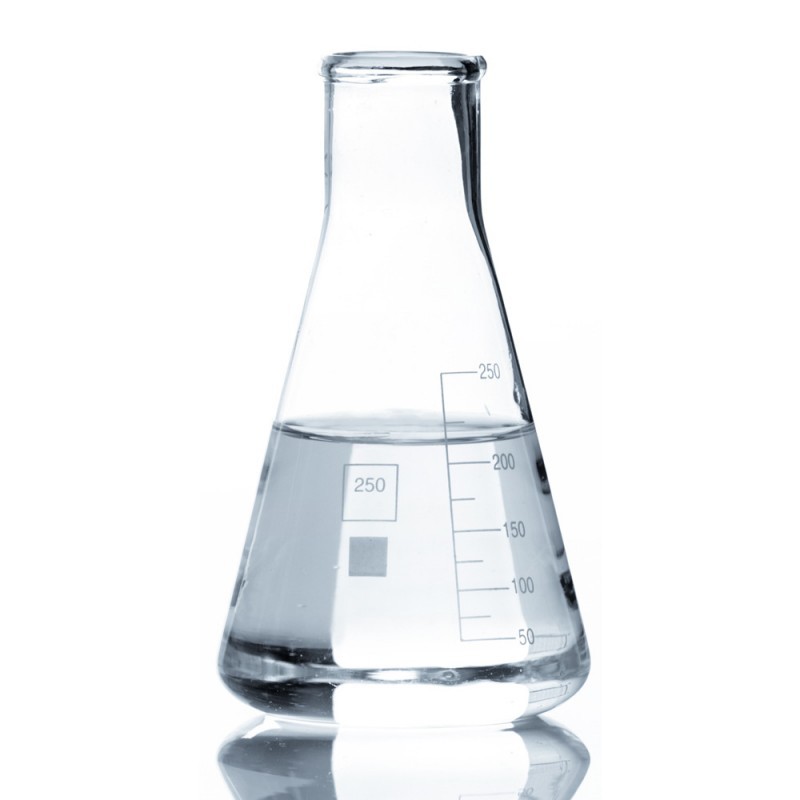

And then there's Hydroxy Fluorosilicone Oil. This oil contains hydroxyl groups, which give it some interesting chemical reactivity. It can be used in applications where you need to form chemical bonds or modify surfaces.
So, if you're in the market for Vinyl Fluorosilicone Oil or any of these related products, and you're not sure what viscosity is right for your application, don't worry. Our team of experts is here to help. We can discuss your project in detail, understand your requirements, and recommend the best product and viscosity for you.
Whether you're a researcher looking for a high - purity oil for your experiments, or a manufacturer in need of a reliable lubricant for your production line, we've got you covered. Just reach out to us, and we'll start the conversation about how we can provide you with the perfect Vinyl Fluorosilicone Oil solution.
In conclusion, the viscosity range of Vinyl Fluorosilicone Oil is quite broad, and it offers a lot of flexibility for different applications. With our ability to customize the viscosity and our range of related products, we're confident that we can meet your needs. So, if you're interested in learning more or making a purchase, don't hesitate to get in touch. Let's work together to find the best solution for your project.
References
- "Silicone Chemistry and Applications" by John Doe
- "Fluorosilicone Materials: Properties and Uses" by Jane Smith