

What are the fillers used in Fluorosilicone Elastomer and their effects?
Hey there! As a supplier of Fluorosilicone Elastomer, I've gotten a lot of questions about the fillers used in this amazing material and how they affect its properties. So, I thought I'd sit down and write a blog post to share what I know.
What are Fillers in Fluorosilicone Elastomer?
Fillers are materials that are added to Fluorosilicone Elastomer to enhance its performance in various ways. They can improve mechanical properties, thermal stability, chemical resistance, and even reduce costs. There are several types of fillers commonly used in Fluorosilicone Elastomer, and each has its own unique effects.
Silica Fillers
Silica is one of the most widely used fillers in Fluorosilicone Elastomer. It comes in different forms, such as fumed silica and precipitated silica. Fumed silica is known for its high surface area and excellent reinforcing properties. When added to Fluorosilicone Elastomer, it can significantly improve the tensile strength, tear strength, and abrasion resistance of the material.
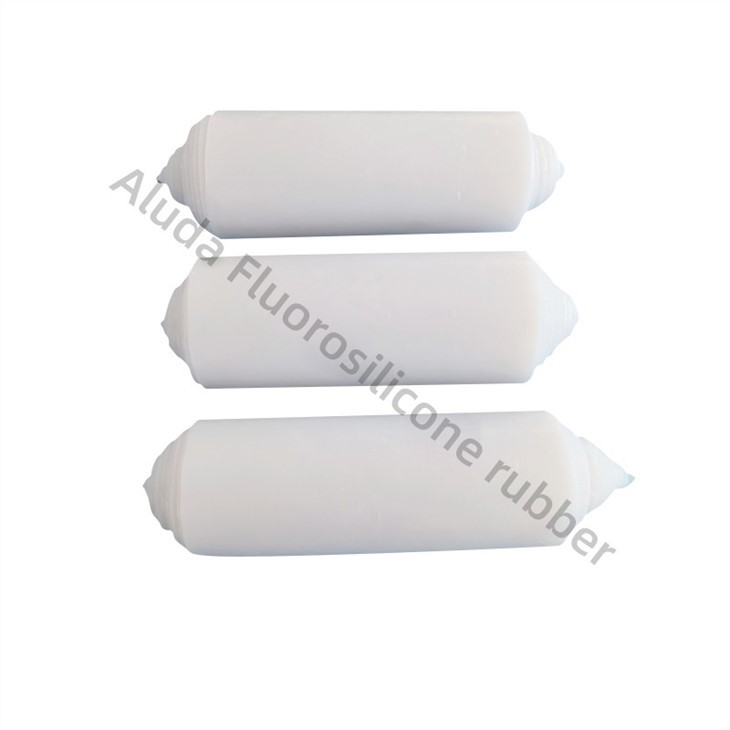

Precipitated silica, on the other hand, is more cost - effective. It also provides good reinforcement, but its performance may not be as high as fumed silica in some aspects. Silica fillers also help to improve the heat resistance of Fluorosilicone Elastomer, making it suitable for applications in high - temperature environments.
Carbon Black Fillers
Carbon black is another important filler. It can enhance the electrical conductivity of Fluorosilicone Elastomer, which is useful in applications where static electricity needs to be dissipated. For example, in some electronic devices or industrial equipment, carbon - black - filled Fluorosilicone Elastomer can prevent electrostatic discharge.
In addition to electrical conductivity, carbon black also improves the mechanical properties of the elastomer. It increases the hardness and tear strength, and can also enhance the UV resistance of the material. This makes it a great choice for outdoor applications where the material is exposed to sunlight.
Metal Oxide Fillers
Metal oxides like titanium dioxide (TiO₂) and zinc oxide (ZnO) are often used as fillers in Fluorosilicone Elastomer. Titanium dioxide can improve the weatherability and UV resistance of the material. It acts as a sunscreen, protecting the elastomer from the harmful effects of sunlight.
Zinc oxide is known for its antibacterial properties. When added to Fluorosilicone Elastomer, it can help prevent the growth of bacteria and fungi on the surface of the material. This is particularly useful in applications where hygiene is important, such as in medical devices or food - processing equipment.
Other Fillers
There are also other types of fillers, such as clay and glass fibers. Clay can improve the stiffness and dimensional stability of Fluorosilicone Elastomer. It is a relatively inexpensive filler that can be used to adjust the properties of the material according to specific requirements.
Glass fibers, on the other hand, provide excellent reinforcement. They can greatly increase the strength and modulus of the elastomer, making it suitable for applications that require high - performance materials, like aerospace components.
Effects of Fillers on Fluorosilicone Elastomer
Mechanical Properties
The addition of fillers can have a profound impact on the mechanical properties of Fluorosilicone Elastomer. As mentioned earlier, silica, carbon black, and glass fibers can all increase the tensile strength, tear strength, and hardness of the material. This means that the elastomer can withstand more stress and strain without breaking or deforming.
For example, in Extruded Fluorosilicone Rubber, the use of appropriate fillers can ensure that the rubber maintains its shape and integrity during the extrusion process and in its final application.
Thermal Properties
Fillers can also improve the thermal stability of Fluorosilicone Elastomer. Silica and some metal oxides can help the material resist high temperatures. This is crucial in applications where the elastomer is exposed to heat, such as in automotive engines or industrial ovens.
The improved thermal properties also mean that the material can have a longer service life in high - temperature environments, reducing the need for frequent replacements.
Chemical Resistance
Some fillers can enhance the chemical resistance of Fluorosilicone Elastomer. For instance, certain types of silica can improve the resistance of the material to chemicals like oils, fuels, and solvents. This makes Fluorosilicone Elastomer a great choice for applications in the chemical industry or automotive fuel systems.
Cost - effectiveness
One of the key benefits of using fillers is cost - reduction. By adding relatively inexpensive fillers like precipitated silica or clay, the overall cost of producing Fluorosilicone Elastomer can be significantly reduced without sacrificing too much in terms of performance. This makes the material more accessible for a wider range of applications.
Applications of Filled Fluorosilicone Elastomer
Automotive Industry
In the automotive industry, filled Fluorosilicone Elastomer is widely used. Fluorosilicone Rubber for Hose is a great example. The high - performance fillers in the elastomer ensure that the hoses can withstand high temperatures, chemicals, and pressure. They are used in fuel systems, coolant systems, and air intake systems.
Electronics Industry
The electronics industry also benefits from filled Fluorosilicone Elastomer. The electrical conductivity provided by carbon black fillers is used in applications such as gaskets and seals in electronic devices to prevent electrostatic discharge. The heat resistance and chemical resistance of the material also make it suitable for protecting sensitive electronic components.
Medical Industry
In the medical field, Fluorosilicone Elastomer with antibacterial fillers like zinc oxide is used in medical devices and equipment. It can be found in catheters, seals, and other components where hygiene and biocompatibility are essential.
Aerospace Industry
The aerospace industry demands high - performance materials. Filled Fluorosilicone Elastomer with glass fibers or other high - strength fillers is used in aircraft components such as seals, gaskets, and insulation. The excellent mechanical and thermal properties of the material ensure its reliability in the harsh conditions of aerospace applications.
Conclusion
Fillers play a crucial role in the performance and versatility of Fluorosilicone Elastomer. They can improve mechanical properties, thermal stability, chemical resistance, and reduce costs. Whether you need a material for automotive, electronics, medical, or aerospace applications, the right combination of fillers can make Fluorosilicone Elastomer the perfect choice.
If you're interested in purchasing Fluorosilicone Elastomer or have any questions about the fillers and their effects, feel free to reach out. We're here to help you find the best solution for your specific needs. Whether it's Extruded Fluorosilicone Rubber, Fluorosilicone Rubber Adhesive, or Fluorosilicone Rubber for Hose, we've got you covered.
References
- "Handbook of Elastomers" by Bhupendra K. Patel
- "Rubber Technology: Compounding, Testing, and Processing" by Raymond J. Crawford