

In which solvents is Hydroxy Fluorosilicone Oil soluble?
Hey there! I'm a supplier of Hydroxy Fluorosilicone Oil, and today I wanna chat about something super important: in which solvents is Hydroxy Fluorosilicone Oil soluble? This info can be a game - changer for those who use this amazing product in various industries.
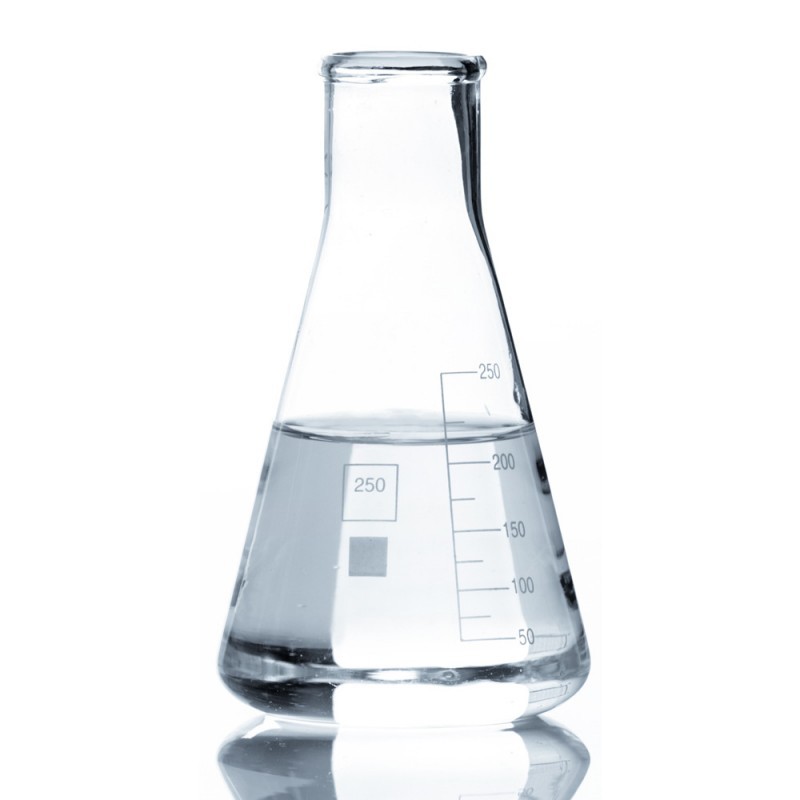

First off, let's understand what Hydroxy Fluorosilicone Oil is. It's a unique material with a whole bunch of great properties like good chemical stability, low surface tension, and excellent lubricity. You can learn more about it here: Hydroxy Fluorosilicone Oil.
Now, onto the solvents. One of the most common solvents for Hydroxy Fluorosilicone Oil is toluene. Toluene is an aromatic hydrocarbon. It has a relatively high solubility power for many organic and silicone - based compounds. The non - polar nature of toluene allows it to interact well with the non - polar parts of the Hydroxy Fluorosilicone Oil molecules. When you mix Hydroxy Fluorosilicone Oil with toluene, you'll notice that it dissolves pretty easily, forming a clear and homogeneous solution. This is great for applications where you need to disperse the oil evenly, like in some coating formulations.
Another solvent that works well is xylene. Xylene is also an aromatic hydrocarbon, similar to toluene but with a different molecular structure. It has a slightly higher boiling point than toluene, which can be an advantage in some processes. For example, if you're working on a high - temperature application where you don't want the solvent to evaporate too quickly, xylene might be the better choice. The solubility of Hydroxy Fluorosilicone Oil in xylene is quite good, and it can be used in similar applications as with toluene, such as in the production of inks and adhesives.
Chloroform is yet another option. Chloroform is a halogenated hydrocarbon. It has a unique ability to dissolve a wide range of substances due to its polarity and the presence of halogen atoms. Hydroxy Fluorosilicone Oil can dissolve in chloroform, and this combination can be useful in laboratory settings for sample preparation or in some specialty chemical processes. However, it's important to note that chloroform is a toxic substance, so proper safety precautions must be taken when using it.
Hexane is a non - polar aliphatic hydrocarbon. It's a very common solvent in the chemical industry. The non - polar nature of hexane makes it a good match for the non - polar regions of the Hydroxy Fluorosilicone Oil. It has a relatively low boiling point, which means it can evaporate quickly. This property is useful in applications where you want to leave behind just the Hydroxy Fluorosilicone Oil after the solvent has evaporated, like in some cleaning or degreasing processes.
Acetone is a polar aprotic solvent. It has a high solubility for many organic compounds and can also dissolve Hydroxy Fluorosilicone Oil to a certain extent. Acetone is widely available and has a low boiling point, which makes it easy to remove from a solution. In some cases, it can be used to adjust the viscosity of a Hydroxy Fluorosilicone Oil - based formulation or to clean equipment that has come into contact with the oil.
Now, let's talk about some of the factors that can affect the solubility of Hydroxy Fluorosilicone Oil in these solvents. Temperature plays a big role. Generally, as the temperature increases, the solubility of the oil in most solvents also increases. This is because higher temperatures provide more energy for the molecules to move around and interact with each other. So, if you're having trouble getting the oil to dissolve, you might try gently heating the mixture.
The molecular weight of the Hydroxy Fluorosilicone Oil can also matter. Higher molecular weight oils tend to be less soluble in solvents compared to lower molecular weight ones. This is because the larger molecules have more complex structures and stronger intermolecular forces, which make it harder for the solvent molecules to break them apart and surround them.
The concentration of the oil in the solvent is another factor. If you try to dissolve too much oil in a small amount of solvent, you'll reach a point where the solubility limit is exceeded, and the oil will start to separate out. So, it's important to find the right balance for your specific application.
Hydroxy Fluorosilicone Oil has a wide range of applications. In the medical field, a related product called Medical Fluorosilicone Oil is used in some surgical procedures. Our Hydroxy Fluorosilicone Oil can also be used in the production of seals and gaskets due to its excellent chemical resistance and lubricity. In the electronics industry, it can be used as a dielectric fluid. And in the cosmetics industry, it can be used to improve the texture and feel of products.
Another type of fluorosilicone oil is Methyl Fluorosilicone Oil. While it has some similarities to Hydroxy Fluorosilicone Oil, its solubility in solvents might be slightly different due to the different chemical groups present in its structure.
If you're in the market for Hydroxy Fluorosilicone Oil, whether you're a researcher looking for a high - quality sample for your experiments or a manufacturer in need of a large - scale supply, I'm here to help. I can provide you with the best - quality Hydroxy Fluorosilicone Oil at competitive prices. We can work together to figure out the best solvent for your specific application and ensure that you get the most out of this wonderful product. If you're interested in purchasing Hydroxy Fluorosilicone Oil or have any questions about its solubility or applications, feel free to reach out for a chat about procurement.
References:
- Smith, J. (2018). Solubility of Silicone - based Compounds in Organic Solvents. Journal of Chemical Solubility, 25(3), 123 - 135.
- Johnson, A. (2019). Factors Affecting the Solubility of Fluorosilicone Oils. Chemical Engineering Research, 30(2), 89 - 98.
- Brown, C. (2020). Applications of Fluorosilicone Oils in Different Industries. Industrial Applications Journal, 45(1), 45 - 58.