

What types of fluoropolymers are commonly used in extrusion?
Fluoropolymers are a group of high-performance polymers characterized by carbon - fluorine bonds, which endow them with excellent chemical resistance, high thermal stability, low friction coefficients, and outstanding electrical properties. As a leading fluoropolymer extrusion supplier, we have in - depth knowledge of various fluoropolymers commonly used in the extrusion process. This blog will introduce several of these commonly used fluoropolymers.

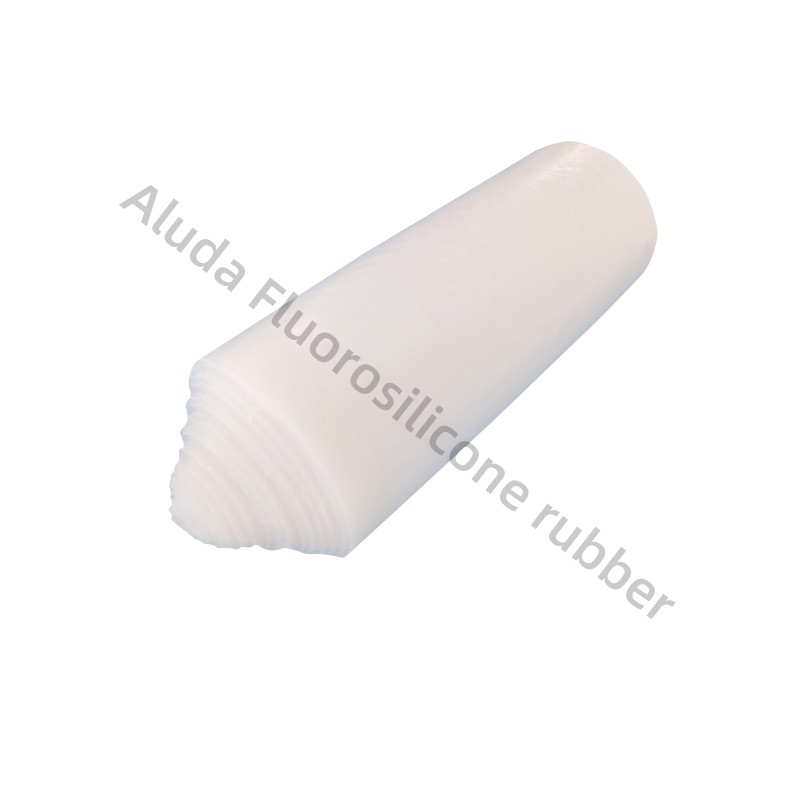
Polytetrafluoroethylene (PTFE)
PTFE is perhaps the most well - known fluoropolymer, often recognized by its brand name Teflon. It is composed of carbon and fluorine atoms arranged in a long - chain structure. The strong carbon - fluorine bonds give PTFE exceptional chemical resistance; it is resistant to almost all chemicals, including strong acids, bases, and organic solvents.
In extrusion applications, PTFE's high melting point (about 327°C) and high melt viscosity pose challenges. However, with specialized extrusion techniques, it can be processed into various forms such as tubes, rods, and films. PTFE tubes are widely used in the chemical processing industry for transporting corrosive fluids because of their chemical inertness. In the electrical industry, PTFE films are used as insulation materials due to their excellent dielectric properties.
The low friction coefficient of PTFE also makes it suitable for applications where smooth movement is required. For example, PTFE rods can be used as bearings or bushings in machinery to reduce wear and friction.
Fluorinated Ethylene Propylene (FEP)
FEP is a copolymer of tetrafluoroethylene and hexafluoropropylene. Compared to PTFE, FEP has better processability because it has a lower melting point (about 260 - 270°C) and lower melt viscosity. This makes it easier to extrude into complex shapes.
FEP has similar chemical resistance to PTFE but with improved transparency. FEP films are often used in packaging applications, especially for food and pharmaceuticals, as they provide a barrier against moisture, oxygen, and other contaminants while being transparent to allow for visual inspection. In the wire and cable industry, FEP is used as an insulation material. Its excellent electrical properties, combined with its ease of extrusion, make it a popular choice for high - performance cables, such as those used in aerospace and telecommunications.
Perfluoroalkoxy (PFA)
PFA is another perfluorinated copolymer that shares many properties with PTFE and FEP. It has a high melting point (about 302 - 310°C), good chemical resistance, and excellent electrical insulation properties. PFA has better mechanical properties than FEP, especially at elevated temperatures.
In extrusion, PFA can be formed into high - quality tubes and pipes with smooth inner surfaces. These tubes are used in semiconductor manufacturing for transporting ultra - pure chemicals because PFA does not leach contaminants into the fluids. PFA is also used in the production of non - stick cookware. The extrusion process can create a uniform coating of PFA on the cookware surface, providing a durable and effective non - stick layer.
Ethylene Tetrafluoroethylene (ETFE)
ETFE is a copolymer of ethylene and tetrafluoroethylene. It combines the best of both ethylene (good mechanical toughness) and tetrafluoroethylene (chemical resistance and low friction). ETFE has a relatively low melting point (about 260°C) and good processability.
ETFE is known for its high impact strength and resistance to environmental stress cracking. It is commonly used in the construction industry for roofing and cladding materials. ETFE foils can be extruded into large - scale membranes that are lightweight, transparent, and have excellent weather resistance. In the electrical industry, ETFE is used as insulation for wires and cables in harsh environments, such as in offshore oil platforms or in industrial areas with high levels of chemical exposure.
Polyvinylidene Fluoride (PVDF)
PVDF is a semi - crystalline fluoropolymer with a high degree of polarity. It has good chemical resistance, especially to strong acids and bases, and excellent resistance to UV radiation. PVDF has a relatively low melting point (about 177°C), which makes it easy to extrude.
In extrusion applications, PVDF is used to make pipes, fittings, and sheets. PVDF pipes are used in the chemical and water treatment industries for transporting corrosive liquids. The sheets can be used for lining tanks and vessels to protect them from chemical attack. PVDF also has piezoelectric properties, which makes it useful in sensor and actuator applications. Extruded PVDF films can be used in the production of sensors for measuring pressure, strain, and other physical quantities.
Fluorosilicone Rubber
Fluorosilicone rubber combines the properties of silicone rubber (flexibility, low - temperature performance) and fluoropolymers (chemical resistance). It has good resistance to fuels, oils, and solvents.
As a fluoropolymer extrusion supplier, we offer different types of fluorosilicone rubber products. For example, Extruded Fluorosilicone Rubber is a popular choice for sealing applications in the automotive and aerospace industries. It can be extruded into gaskets, O - rings, and seals that need to withstand harsh chemical environments and high - temperature conditions.
Fluorosilicone Rubber for Strap is designed for applications where a flexible and chemical - resistant strap is required. It can be used in industrial settings for bundling or securing objects.
Adhesive Fluorosilicone Rubber has the added advantage of being able to adhere to various substrates. This makes it suitable for applications such as bonding components in electronic devices or in the construction of composite materials.
Conclusion
As a fluoropolymer extrusion supplier, we understand the unique properties and processing requirements of each type of fluoropolymer. Whether you need PTFE for its chemical resistance, FEP for its processability and transparency, PFA for high - temperature mechanical performance, ETFE for its toughness, PVDF for its piezoelectricity, or fluorosilicone rubber for its specialized sealing and bonding applications, we have the expertise and capabilities to meet your needs.
If you are interested in our fluoropolymer extrusion products, we invite you to contact us for further discussions on your specific requirements. We are committed to providing high - quality products and customized solutions to help you achieve your project goals.
References
- Billmeyer, F. W. (1984). Textbook of Polymer Science. Wiley - Interscience.
- ASTM International. (2019). Standards on Fluoropolymers. ASTM International.
- Banks, R. E. (2004). Organofluorine Chemistry: Principles and Commercial Applications. Plenum Press.