

What are the packaging requirements for extrusion rubber material?
Packaging requirements for extrusion rubber materials are crucial aspects that every supplier and customer should pay close attention to. As a reputable extrusion rubber material supplier, I understand the significance of proper packaging in ensuring the quality and integrity of our products throughout the supply chain. In this blog post, I will delve into the various packaging requirements for extrusion rubber materials, exploring why they matter and how they can impact the overall product performance.

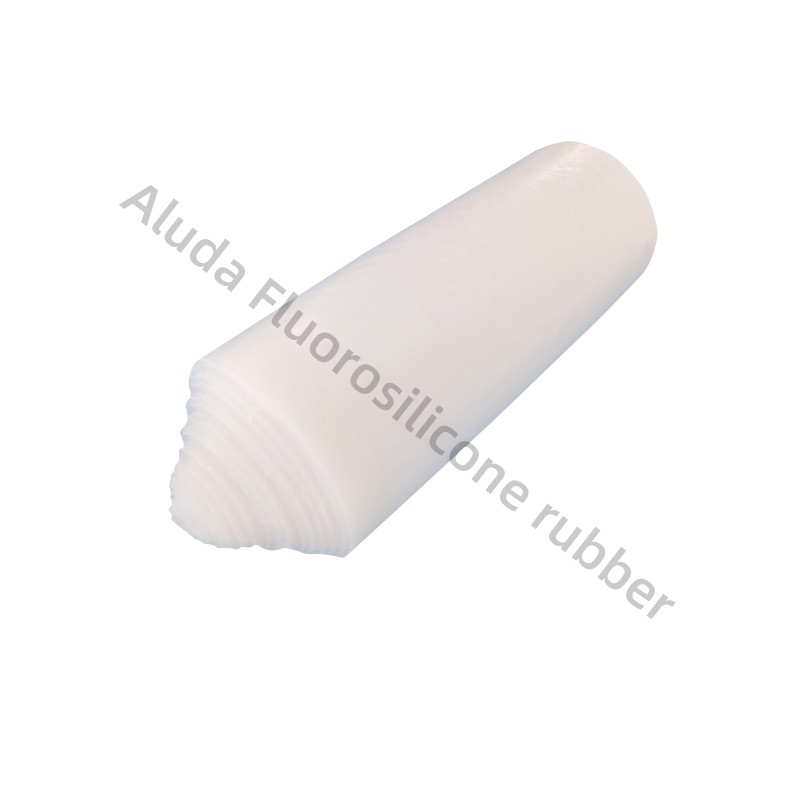
Protection Against Physical Damage
One of the primary purposes of packaging extrusion rubber materials is to protect them from physical damage during transportation and storage. Extruded rubber products are often sensitive to impact, abrasion, and compression, which can lead to deformation, cracking, or surface scratches. To prevent such damage, the packaging should be designed to provide a cushioning effect and withstand external forces.
For instance, using corrugated cardboard boxes or wooden crates can offer excellent protection against impact. These materials are sturdy and can absorb shocks during handling and transit. Additionally, foam inserts or bubble wrap can be used inside the boxes to provide an extra layer of cushioning around the rubber products. This helps to prevent any direct contact between the rubber and the packaging walls, reducing the risk of abrasion.
Resistance to Environmental Factors
Extrusion rubber materials can be affected by various environmental factors such as moisture, temperature, and sunlight. Moisture can cause the rubber to swell, degrade, or develop mold, while extreme temperatures can alter its physical properties and reduce its elasticity. Sunlight, on the other hand, can cause the rubber to fade, harden, or crack over time.
To protect the rubber from these environmental factors, the packaging should be made of materials that are resistant to moisture, heat, and UV radiation. For example, plastic bags or shrink - wrap can be used to create a barrier against moisture. These materials are impermeable to water vapor and can keep the rubber dry. Moreover, opaque or UV - resistant plastic films can be used to shield the rubber from sunlight, preventing photo - oxidation and degradation.
In addition, temperature - controlled packaging can be considered for extrusion rubber materials that are particularly sensitive to temperature changes. Insulated containers or gel packs can be used to maintain a stable temperature inside the packaging, ensuring that the rubber products remain in optimal condition.
Compatibility with the Rubber Material
It is essential that the packaging materials are compatible with the extrusion rubber materials. Some chemicals present in the packaging can react with the rubber, causing it to deteriorate or change its properties. For example, certain types of adhesives or inks used on the packaging may contain substances that can leach into the rubber and cause discoloration or degradation.
Therefore, when selecting packaging materials, it is necessary to ensure that they do not contain any harmful chemicals or additives that could affect the rubber. This may involve conducting compatibility tests between the rubber and the packaging materials before mass - packaging. Using food - grade or medical - grade plastics for rubber products intended for these applications is also a good practice, as these materials are generally considered safe and non - reactive.
Identification and Labeling
Proper identification and labeling of the packaging are vital for extrusion rubber materials. Labels should include important information such as the product name,规格, batch number, manufacturing date, and expiration date. This information helps in inventory management, quality control, and traceability.
For example, the batch number allows for easy tracking of the production history of the rubber products. If there are any quality issues or recalls, the batch number can be used to identify exactly which products are affected. The manufacturing and expiration dates are also crucial, as they indicate the freshness and shelf - life of the rubber materials.
In addition, labels should include handling instructions and safety warnings. This is especially important for rubber materials that may be hazardous or require special handling procedures. For instance, some extrusion rubber materials may be flammable or contain chemicals that are harmful if inhaled or ingested. Clear safety warnings on the packaging can help prevent accidents and ensure that the rubber products are handled correctly.
Ease of Handling and Storage
The packaging should be designed to be easy to handle and store. It should be of a reasonable size and weight, making it convenient for workers to lift, carry, and stack. For example, using standardized box sizes can facilitate efficient storage in warehouses, as they can be easily arranged on pallets and shelves.
Moreover, the packaging should have features that make it easy to open and close. This is important for both suppliers and customers. Suppliers need to be able to quickly access the rubber products for inspection or repackaging, while customers should be able to open the packaging without the need for special tools or excessive force.
Customization for Different Rubber Products
Different extrusion rubber products may have specific packaging requirements based on their shape, size, and application. For example, Conductive Fluorosilicone Rubber is often used in electronic applications where it needs to be protected from electrostatic discharge. Special anti - static packaging materials, such as anti - static bags or foam, can be used to ensure that the rubber maintains its conductive properties during storage and transportation.
Extruded Fluorosilicone Rubber may have unique shape requirements. If it is in the form of long strips or tubes, it may need to be coiled or spooled and packaged in a way that prevents kinking or tangling. Custom - designed containers or reels can be used to accommodate these specific shapes.
Low Pressure Variable Fluorosilicone Rubber is often used in applications where it needs to maintain its flexibility and low - pressure performance. The packaging should be designed to protect these properties, perhaps by using soft, non - restrictive packaging materials that do not compress the rubber too tightly.
Conclusion
In conclusion, the packaging requirements for extrusion rubber materials are multifaceted and play a crucial role in ensuring the quality and performance of the products. From protecting against physical damage and environmental factors to providing proper identification and customization, every aspect of the packaging is important.
As a supplier of extrusion rubber materials, I am committed to meeting these packaging requirements to ensure that our customers receive high - quality products in optimal condition. If you are interested in purchasing our extrusion rubber materials or have any questions about our packaging solutions, please feel free to contact us for further discussion and procurement negotiation. We look forward to serving you and meeting your rubber material needs.
References
- ASTM International. (Year). Standard test methods for rubber products. ASTM publications.
- Rubber Manufacturers Association. (Year). Guidelines for rubber product packaging and storage. RMA reports.
- Packaging Machinery Manufacturers Institute. (Year). Best practices in packaging design for industrial products. PMMI publications.