

What are the substitutes for extrusion rubber material?
Hey there! I'm a supplier of extrusion rubber material, and I often get asked about substitutes for this stuff. So, I thought I'd write this blog to share some insights on the topic.
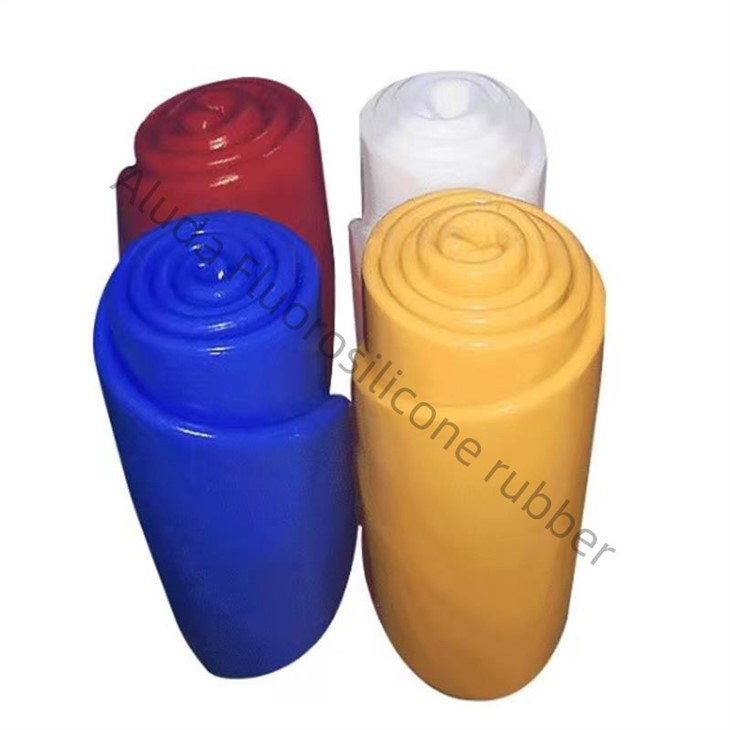

First off, let's understand what extrusion rubber material is. It's a type of rubber that goes through an extrusion process. In this process, the rubber is forced through a die to create a specific shape, like tubes, rods, or profiles. It's used in a ton of industries, from automotive to construction, because of its flexibility, durability, and resistance to various elements.
But sometimes, for different reasons, you might need a substitute for extrusion rubber material. Maybe it's about cost, availability, or specific performance requirements. Let's take a look at some of the common substitutes.
Silicone Rubber
Silicone rubber is a popular alternative. It's got some great properties. For starters, it has excellent heat resistance. It can handle high temperatures without losing its shape or properties, which makes it ideal for applications where heat is a factor, like in the automotive engine compartments or in industrial ovens.
It also has good weather resistance. Whether it's rain, sun, or snow, silicone rubber can stand up to the elements. This makes it a great choice for outdoor applications, such as sealing around windows and doors in buildings.
Another advantage is its flexibility. It can be bent and stretched without breaking, which is useful for creating gaskets and seals that need to conform to different shapes. And it's also relatively easy to extrude, just like regular extrusion rubber material.
EPDM Rubber
EPDM (Ethylene Propylene Diene Monomer) rubber is another option. It's known for its outstanding resistance to ozone and weathering. This means it can last a long time when exposed to the outdoors, making it a top pick for roofing membranes and outdoor seals.
EPDM rubber also has good electrical insulation properties. So, it's often used in the electrical industry for things like cable insulation and electrical connectors.
In terms of cost, EPDM is usually more affordable than some other types of rubber. This makes it an attractive option for large - scale projects where cost is a major consideration.
Neoprene Rubber
Neoprene rubber is well - known for its oil and chemical resistance. If your application involves contact with oils, fuels, or chemicals, neoprene can be a great substitute. For example, it's commonly used in the manufacturing of oil seals and gaskets in the automotive and industrial sectors.
It also has good flame resistance. This makes it suitable for applications where fire safety is a concern, such as in the aerospace and marine industries.
Neoprene is also quite durable and can withstand wear and tear. It can be extruded into various shapes, just like extrusion rubber material, to meet different design requirements.
Fluorosilicone Rubber
Now, let's talk about fluorosilicone rubber. It combines the best of both worlds: the heat resistance and flexibility of silicone rubber and the chemical resistance of fluoropolymers.
For instance, Fluorosilicone Rubber for Strap is a specialized type that can be used in applications where you need a strap with good chemical and heat resistance. It can be used in industrial settings where chemicals are present or in high - temperature environments.
Low Pressure Variable Fluorosilicone Rubber is another variant. It's designed to work well under low - pressure conditions. This can be useful in applications where the pressure is not very high, but you still need the benefits of fluorosilicone rubber, such as its resistance to fuels and solvents.
And then there's Fluorosilicone Rubber Adhesive. This can be used to bond different parts together in applications where you need a strong, chemical - resistant adhesive.
Nitrile Rubber
Nitrile rubber is famous for its excellent oil resistance. It's widely used in the automotive and aerospace industries for making oil seals, gaskets, and O - rings.
It also has good abrasion resistance. This means it can withstand rubbing and friction without wearing out quickly. So, it's suitable for applications where there's a lot of movement and contact, like in conveyor belts or in machinery parts.
Choosing the Right Substitute
When choosing a substitute for extrusion rubber material, you need to consider a few things. First, think about the specific requirements of your application. If it's a high - temperature application, silicone rubber or fluorosilicone rubber might be the way to go. If it's an outdoor application, EPDM rubber could be a better choice.
Cost is also a factor. Some substitutes, like EPDM, are more budget - friendly, while others, like fluorosilicone rubber, might be more expensive but offer unique properties.
And don't forget about the processing requirements. You need to make sure that the substitute can be easily extruded into the shape you need.
Conclusion
So, there you have it. There are several substitutes for extrusion rubber material, each with its own set of advantages. Whether it's silicone rubber, EPDM rubber, neoprene rubber, fluorosilicone rubber, or nitrile rubber, you have options to choose from based on your specific needs.
If you're in the market for a substitute for extrusion rubber material and want to learn more about what we can offer, feel free to reach out. We can discuss your requirements and help you find the best solution for your project.
References
- "Handbook of Elastomers" by B. K. Gupta
- "Rubber Technology" by Maurice Morton
I hope this blog has been helpful. If you have any questions or need more information, don't hesitate to contact us for a procurement discussion.