

What are the radiation resistance properties of Fluorosilicone Rubber?
Radiation resistance is a crucial property in many industrial applications, especially in environments where materials are exposed to various forms of radiation. Fluorosilicone rubber, a material that we as a leading supplier offer, has gained significant attention due to its unique radiation resistance properties. In this blog, we will delve into the details of what makes fluorosilicone rubber an excellent choice in radiation - exposed settings.
Understanding Radiation and Its Effects on Materials
Radiation can be classified into different types, including ionizing radiation such as gamma rays, X - rays, and particle radiation (e.g., alpha and beta particles), and non - ionizing radiation like ultraviolet (UV) rays. When materials are exposed to radiation, they can undergo various physical and chemical changes. Ionizing radiation can break chemical bonds, generate free radicals, and cause cross - linking or chain scission in polymers. These changes can lead to a decrease in mechanical properties, such as reduced tensile strength, elongation at break, and increased hardness. Non - ionizing radiation, especially UV rays, can also cause surface degradation, discoloration, and loss of flexibility in materials over time.
Radiation Resistance Mechanisms of Fluorosilicone Rubber
Chemical Structure
Fluorosilicone rubber has a unique chemical structure that contributes to its radiation resistance. It consists of a silicone backbone with fluorinated side groups. The silicone backbone (-Si - O - Si -) is inherently stable due to the high bond energy of the Si - O bond. This high bond energy makes it more difficult for radiation to break the bonds in the backbone. The fluorinated side groups, on the other hand, provide additional protection. Fluorine atoms are highly electronegative, which results in strong carbon - fluorine (C - F) bonds. These C - F bonds are very stable and can resist the attack of free radicals generated by radiation.
Cross - Linking Structure
The cross - linking structure of fluorosilicone rubber also plays an important role in its radiation resistance. During the vulcanization process, the rubber forms a three - dimensional network structure. This cross - linked structure helps to maintain the integrity of the material under radiation exposure. When radiation causes some bond breakage, the cross - links can prevent the complete disintegration of the polymer chains, allowing the material to retain a certain degree of mechanical properties.
Experimental Evidence of Radiation Resistance
Numerous studies have been conducted to evaluate the radiation resistance of fluorosilicone rubber. In gamma - ray irradiation experiments, it has been found that fluorosilicone rubber can maintain its mechanical properties better than many other elastomers. For example, after exposure to a certain dose of gamma rays, the tensile strength of fluorosilicone rubber may only decrease slightly, while other rubbers may experience a significant reduction.
In UV radiation tests, fluorosilicone rubber shows excellent resistance to discoloration and surface degradation. Its surface remains smooth and retains its flexibility even after long - term exposure to UV rays. This makes it suitable for outdoor applications where materials are constantly exposed to sunlight.
Applications of Fluorosilicone Rubber Based on Radiation Resistance
Aerospace Industry
In the aerospace industry, materials are often exposed to high - energy radiation in space. Fluorosilicone rubber is used in seals, gaskets, and insulation materials for spacecraft and satellites. Its radiation resistance ensures the long - term performance and reliability of these components in the harsh space environment. For example, the seals made of fluorosilicone rubber can prevent the leakage of fluids and gases, even after being exposed to cosmic radiation for an extended period.
Nuclear Industry
In nuclear power plants, materials need to withstand high levels of ionizing radiation. Fluorosilicone rubber is used in various components such as valves, hoses, and cable insulation. Our Fluorosilicone Rubber Umbrella Valve is designed to operate reliably in the presence of radiation, ensuring the proper functioning of the nuclear power plant's fluid control systems.
Medical Industry
In medical applications, materials may be exposed to radiation during sterilization processes or in radiation therapy environments. Fluorosilicone rubber can be used in medical devices such as tubing, gaskets, and seals. Its radiation resistance allows these devices to maintain their performance and safety during repeated exposure to radiation.
Comparison with Other Elastomers
When compared with other elastomers such as natural rubber, nitrile rubber, and silicone rubber, fluorosilicone rubber stands out in terms of radiation resistance. Natural rubber and nitrile rubber are more susceptible to radiation - induced degradation due to their relatively weak chemical bonds. Silicone rubber, although having a stable silicone backbone, lacks the additional protection provided by the fluorinated side groups in fluorosilicone rubber. Therefore, in radiation - exposed environments, fluorosilicone rubber offers better long - term performance and durability.
Our Product Range and Quality Assurance
As a supplier of fluorosilicone rubber, we offer a wide range of products to meet different customer needs. Our Fluorosilicone Rubber Cloth Membrane is suitable for applications where a flexible and radiation - resistant membrane is required. It can be used in filtration systems, insulation applications, and as a protective layer.
Our Fluorosilicon Rubber Sheet is available in various thicknesses and sizes. It can be easily cut and fabricated into different shapes for use in gaskets, seals, and other components.
We ensure the quality of our products through strict quality control measures. Our fluorosilicone rubber products are tested for radiation resistance, mechanical properties, and chemical stability. We follow international standards and regulations to guarantee that our products meet the highest quality requirements.
Conclusion
Fluorosilicone rubber's radiation resistance properties make it an ideal choice for a wide range of applications in industries where materials are exposed to radiation. Its unique chemical structure, cross - linking structure, and experimental evidence of resistance all contribute to its excellent performance in radiation - exposed environments. Whether it is in the aerospace, nuclear, or medical industry, fluorosilicone rubber can provide reliable and long - lasting solutions.
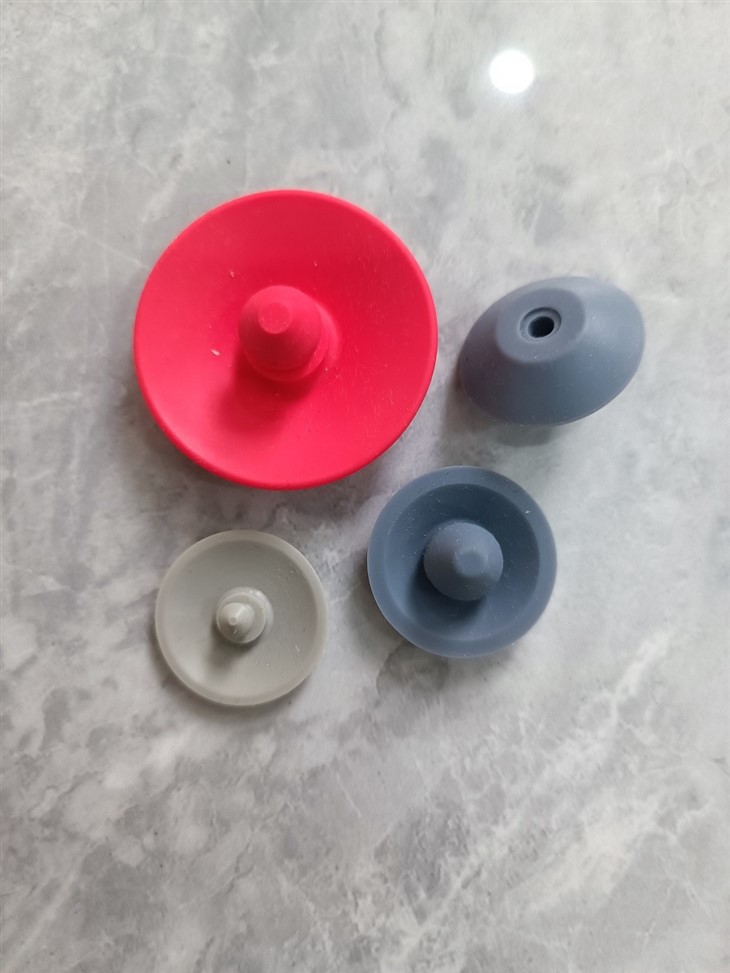

If you are looking for high - quality fluorosilicone rubber products with excellent radiation resistance, we are here to help. Contact us for more information and to discuss your specific requirements. Our team of experts will work with you to find the best solutions for your applications.
References
- ASTM D573 - Standard Test Method for Rubber - Deterioration in an Air Oven
- ISO 4892 - Plastics - Methods of Exposure to Laboratory Light Sources
- Various research papers on the radiation resistance of elastomers published in scientific journals such as Rubber Chemistry and Technology.