

What are the fluoroelastomer examples with good UV resistance?
Fluoroelastomers are a class of high-performance elastomers known for their exceptional resistance to heat, chemicals, and oils. In addition to these well - known properties, some fluoroelastomers also exhibit good UV resistance, making them suitable for outdoor applications where exposure to sunlight is a concern. As a leading supplier of fluoroelastomer products, I'm here to introduce you to some fluoroelastomer examples with good UV resistance.

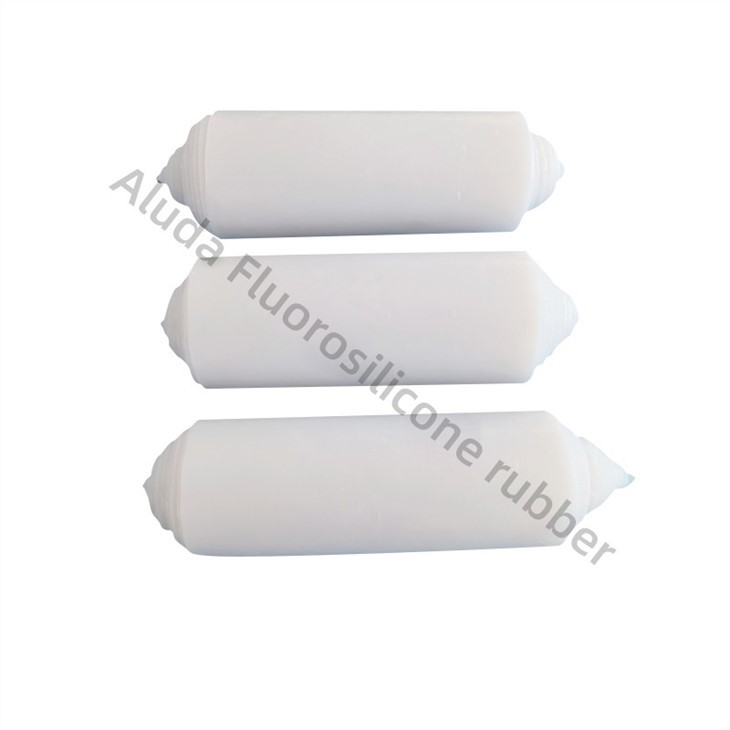
Viton Fluoroelastomers
Viton is a well - recognized brand of fluoroelastomers produced by Chemours. These fluoroelastomers are based on copolymers of vinylidene fluoride (VDF) and hexafluoropropylene (HFP), and in some cases, they may also contain tetrafluoroethylene (TFE).
Viton fluoroelastomers offer excellent UV resistance. The highly fluorinated structure of Viton provides a strong chemical bond that is resistant to the degradation caused by UV radiation. When exposed to sunlight, the material does not easily break down, which helps maintain its physical and mechanical properties over time.
These elastomers are widely used in outdoor sealing applications, such as in automotive weatherstripping, where they need to withstand long - term exposure to sunlight, rain, and other environmental factors. In addition, Viton is also used in industrial gaskets for outdoor equipment, ensuring a reliable seal even under harsh UV - rich conditions. For more information on high - performance fluoroelastomers like Viton, you can explore our product range Fluorosilicone Rubber for Hose.
Fluorosilicone Rubber
Fluorosilicone rubber is another type of fluoroelastomer that shows good UV resistance. It combines the best features of fluoropolymers and silicones. The fluorine content in fluorosilicone rubber provides chemical resistance, while the silicone backbone gives it flexibility and low - temperature performance.
The UV resistance of fluorosilicone rubber is due to the stable chemical structure of the fluorosilicone bonds. These bonds are not easily broken by the energy in UV rays. As a result, fluorosilicone rubber can maintain its elasticity, tensile strength, and other properties when used outdoors.
Fluorosilicone rubber is commonly used in outdoor electrical insulation applications. For example, it can be used as cable jackets for outdoor power lines, protecting the wires from UV damage and environmental contaminants. We offer a variety of fluorosilicone rubber products, including High Resilience Fluorosilicone Rubber, which is ideal for applications requiring both UV resistance and high resilience.
Perfluoroelastomers (FFKM)
Perfluoroelastomers are the highest - performing class of fluoroelastomers. They have a fully fluorinated backbone, which gives them outstanding chemical resistance, heat resistance, and UV resistance.
The high level of fluorination in perfluoroelastomers creates a very stable molecular structure. UV radiation has little effect on these materials because the energy in the UV rays is not sufficient to break the strong carbon - fluorine bonds. This makes perfluoroelastomers suitable for extremely harsh outdoor environments.
Perfluoroelastomers are often used in aerospace applications, such as in seals for aircraft engines that are exposed to high - altitude UV radiation. They are also used in chemical processing plants for outdoor equipment, where they need to resist both UV rays and aggressive chemicals. Our Conductive Fluorosilicone Rubber product line also benefits from the excellent properties of fluoroelastomers, including UV resistance, while providing conductivity for specific applications.
Factors Affecting UV Resistance of Fluoroelastomers
Although the above - mentioned fluoroelastomers generally have good UV resistance, several factors can influence their performance in UV - rich environments.
Fluorine Content
The higher the fluorine content in the fluoroelastomer, the better its UV resistance. Fluorine atoms form strong bonds with carbon atoms, and these bonds are more resistant to the energy in UV rays. For example, perfluoroelastomers, which have a very high fluorine content, have superior UV resistance compared to some other fluoroelastomers with lower fluorine levels.
Additives
Some additives can be used to enhance the UV resistance of fluoroelastomers. For instance, UV stabilizers can be added during the compounding process. These stabilizers absorb or scatter UV radiation, reducing the amount of energy that reaches the fluoroelastomer matrix. This helps to prevent the degradation of the material and extends its service life in outdoor applications.
Cross - linking Density
The cross - linking density of the fluoroelastomer also affects its UV resistance. A higher cross - linking density means that the polymer chains are more tightly connected. This makes it more difficult for UV radiation to break the chains and cause degradation. Therefore, fluoroelastomers with a proper cross - linking density are more likely to maintain their properties under UV exposure.
Applications of Fluoroelastomers with Good UV Resistance
Automotive Industry
In the automotive industry, fluoroelastomers with good UV resistance are used in various components. For example, they are used in window seals to prevent air and water leakage while withstanding long - term exposure to sunlight. They are also used in engine gaskets, which may be exposed to the sun when the hood is open or during vehicle operation in outdoor environments.
Construction Industry
In construction, fluoroelastomers can be used in seals for doors and windows. These seals need to be weather - resistant and maintain their integrity over many years of exposure to UV rays, rain, and temperature variations. Additionally, they can be used in roofing membranes to provide a waterproof and UV - resistant barrier.
Renewable Energy Industry
In the renewable energy sector, fluoroelastomers are used in solar panels and wind turbines. In solar panels, they can be used as seals to protect the sensitive electronic components from the elements, including UV radiation. In wind turbines, they are used in seals for gearboxes and other mechanical components that are exposed to the outdoor environment.
Conclusion
Fluoroelastomers with good UV resistance, such as Viton, fluorosilicone rubber, and perfluoroelastomers, offer a reliable solution for a wide range of outdoor applications. Their ability to withstand UV radiation helps maintain the performance and longevity of the products in which they are used.
As a supplier of fluoroelastomer products, we are committed to providing high - quality materials that meet the diverse needs of our customers. Whether you are in the automotive, construction, or renewable energy industry, our fluoroelastomer products can offer the UV resistance and other performance characteristics you require.
If you are interested in purchasing fluoroelastomer products or have any questions about our offerings, please feel free to contact us for further discussions. We look forward to working with you to find the best fluoroelastomer solutions for your specific applications.
References
- "Handbook of Fluoroelastomers" by Michel K. Langlois
- "Elastomers and Rubber Compounding Materials" edited by R. N. Datta and M. S. Salim
- Technical literature from Chemours on Viton fluoroelastomers