

How to install extrusion rubber material for sealing purposes?
Hey there! As a supplier of extrusion rubber materials, I'm super stoked to share with you how to install extrusion rubber material for sealing purposes. Whether you're a DIY enthusiast or a professional in the industry, getting the installation right is crucial for a successful sealing job.
Why Extrusion Rubber Materials for Sealing?
Before we jump into the installation process, let's quickly chat about why extrusion rubber materials are so great for sealing. These materials are highly flexible, which means they can easily conform to different shapes and surfaces. They also have excellent resistance to various environmental factors like heat, cold, moisture, and chemicals. This makes them ideal for a wide range of applications, from automotive to construction.
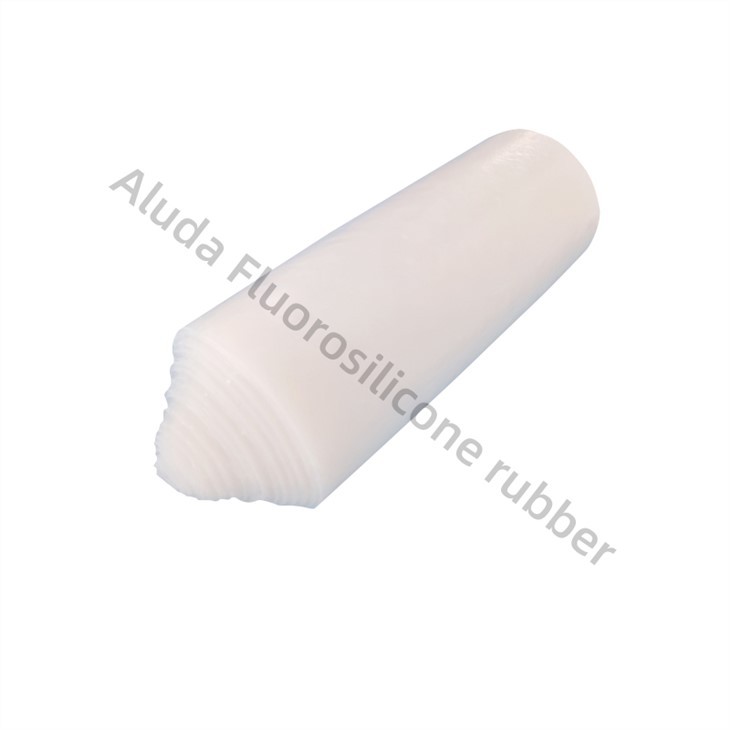
We offer a variety of extrusion rubber materials, such as Transparent Fluorosilicone Rubber, High Resilience Fluorosilicone Rubber, and High Resilience Low Pressure Variable Fluorosilicone Rubber. Each type has its own unique properties and is suitable for different sealing needs.
Step 1: Prepare the Surface
The first step in installing extrusion rubber material is to prepare the surface where you'll be applying it. This is super important because a clean and smooth surface ensures better adhesion and a more effective seal.
- Clean the Surface: Use a mild detergent and water to clean the surface thoroughly. Make sure to remove any dirt, grease, oil, or other contaminants. You can also use a specialized cleaner if needed. After cleaning, dry the surface completely with a clean cloth.
- Inspect the Surface: Check the surface for any cracks, holes, or rough spots. If you find any, you'll need to repair them before installing the rubber material. You can use a suitable filler or sealant to fill in the cracks and holes, and sand down any rough spots to make the surface smooth.
Step 2: Measure and Cut the Rubber Material
Once the surface is prepared, it's time to measure and cut the extrusion rubber material to the right size.
- Measure the Area: Use a measuring tape to measure the length and width of the area where you'll be installing the rubber material. Make sure to add a little extra length to account for any curves or bends in the surface.
- Cut the Rubber Material: Use a sharp utility knife or scissors to cut the rubber material to the measured size. Make sure to cut it straight and cleanly for a neat and professional-looking installation.
Step 3: Apply Adhesive (if necessary)
In some cases, you may need to use an adhesive to secure the extrusion rubber material to the surface. This is especially true for surfaces that are not very smooth or for applications where there will be a lot of movement or vibration.
- Choose the Right Adhesive: Select an adhesive that is compatible with the type of rubber material you're using and the surface you're applying it to. Make sure to read the manufacturer's instructions carefully before using the adhesive.
- Apply the Adhesive: Apply a thin, even layer of adhesive to the surface where you'll be installing the rubber material. Use a brush or roller to spread the adhesive evenly. Make sure to follow the recommended drying time before proceeding with the installation.
Step 4: Install the Rubber Material
Now it's time to install the extrusion rubber material on the prepared surface.
- Position the Rubber Material: Carefully place the cut rubber material on the surface, starting from one end and working your way to the other. Make sure to align it properly and press it down firmly to ensure good contact with the surface.
- Smooth Out the Rubber Material: Use a roller or your hands to smooth out the rubber material and remove any air bubbles or wrinkles. Make sure to apply even pressure to ensure a tight and secure seal.
Step 5: Finish the Installation
Once the rubber material is installed, there are a few final steps to complete the installation.
- Trim the Excess: Use a sharp utility knife or scissors to trim any excess rubber material from the edges. Make sure to cut it flush with the surface for a neat and professional-looking finish.
- Check the Seal: Inspect the installed rubber material to make sure it's properly sealed and there are no gaps or leaks. If you find any issues, you may need to reposition the rubber material or apply more adhesive to fix them.
Tips and Tricks
- Work in a Clean and Dry Environment: Make sure to work in a clean and dry environment to prevent dirt, dust, or moisture from getting on the surface or the rubber material.
- Use Protective Gear: When using adhesives or cutting tools, make sure to wear appropriate protective gear, such as gloves and safety glasses, to protect yourself from any potential hazards.
- Follow the Manufacturer's Instructions: Always read and follow the manufacturer's instructions for the rubber material and any adhesives or tools you're using. This will ensure that you install the rubber material correctly and safely.
Conclusion
Installing extrusion rubber material for sealing purposes may seem like a daunting task, but with the right tools, materials, and techniques, it can be a relatively easy and straightforward process. By following the steps outlined in this blog post, you'll be able to install the rubber material like a pro and achieve a tight and secure seal.

If you have any questions or need more information about our extrusion rubber materials or the installation process, don't hesitate to reach out. We're here to help you find the right solution for your sealing needs and ensure a successful installation.
References
- "Rubber Sealing Products: A Comprehensive Guide." Rubber Manufacturers Association.
- "Installation Guidelines for Extrusion Rubber Materials." Industry Standards Handbook.