

How to control the quality in fluoropolymer extrusion?
As a supplier in the field of fluoropolymer extrusion, ensuring high - quality products is of utmost importance. Fluoropolymers are widely used in various industries due to their excellent chemical resistance, high - temperature stability, and low friction coefficient. However, controlling the quality in fluoropolymer extrusion is a complex process that requires a comprehensive approach. In this blog, I will share some key strategies and techniques that we use to maintain high - quality standards in our fluoropolymer extrusion operations.
1. Raw Material Selection
The first step in quality control starts with the selection of raw materials. High - quality fluoropolymer resins are the foundation of a good extrusion process. We carefully source our raw materials from reliable suppliers. We evaluate the suppliers based on their reputation, quality control measures, and the consistency of their products.
Before using any new batch of raw materials, we conduct a series of tests. These include analyzing the chemical composition, molecular weight, and melting point of the fluoropolymer resin. For example, a change in the molecular weight can significantly affect the flow properties of the polymer during extrusion. If the molecular weight is too low, the extruded product may have poor mechanical properties, such as low tensile strength. On the other hand, a very high molecular weight can lead to difficulties in processing, like high viscosity and uneven flow.
We also check for any impurities in the raw materials. Impurities can cause defects in the extruded products, such as bubbles, voids, or discoloration. By ensuring that the raw materials are pure and meet our strict specifications, we can prevent many quality issues from occurring at the early stages of the extrusion process.
2. Extrusion Equipment Maintenance
The extrusion equipment plays a crucial role in the quality of the final product. Regular maintenance of the extruders, dies, and other related equipment is essential. We have a strict maintenance schedule in place to ensure that all equipment is in optimal working condition.
The extruder screws need to be inspected regularly for wear and tear. A worn - out screw can lead to inconsistent mixing of the polymer melt, resulting in non - uniform product quality. We also clean the extruder barrels and hoppers frequently to prevent the accumulation of old polymer residues, which can contaminate new batches of materials.
The dies are another critical component. Any damage or blockage in the die can cause the extruded product to have an irregular shape or surface finish. We use precision machining techniques to manufacture and maintain our dies, and we regularly check the die dimensions to ensure they are within the required tolerances.
Proper calibration of the temperature and pressure sensors on the extrusion equipment is also vital. Incorrect temperature settings can lead to over - or under - melting of the fluoropolymer, while inaccurate pressure readings can result in inconsistent extrusion rates. By maintaining accurate sensors, we can ensure that the extrusion process is carried out under the optimal conditions.
3. Process Parameter Optimization
Controlling the process parameters during extrusion is key to achieving high - quality products. The three main process parameters that we closely monitor are temperature, pressure, and extrusion speed.
Temperature control is crucial because fluoropolymers have a narrow processing temperature range. If the temperature is too low, the polymer may not melt completely, leading to poor flow and incomplete filling of the die. Conversely, if the temperature is too high, the polymer may degrade, resulting in a loss of mechanical properties and discoloration. We use advanced temperature control systems to maintain a stable temperature throughout the extrusion process.
Pressure also affects the quality of the extruded product. Adequate pressure is required to ensure that the polymer melt is forced through the die uniformly. If the pressure is too low, the product may have a rough surface or uneven thickness. On the other hand, excessive pressure can cause die swell, where the extruded product expands after leaving the die, leading to dimensional inaccuracies.
The extrusion speed needs to be carefully adjusted. A too - high speed can cause the polymer melt to experience high shear rates, which can lead to degradation and orientation effects in the polymer. A slow extrusion speed, while it may provide better control in some cases, can also increase the production time and may not be cost - effective. We conduct extensive trials to determine the optimal extrusion speed for each type of fluoropolymer and product design.

4. Quality Inspection during Production
In - process quality inspection is an important part of our quality control strategy. We have a team of quality control personnel who monitor the extrusion process continuously. They use a variety of inspection techniques, such as visual inspection, dimensional measurement, and mechanical property testing.
Visual inspection is the most basic form of quality control. Our inspectors look for any visible defects, such as surface cracks, bubbles, or discoloration in the extruded products. For products with high - precision requirements, we also use optical inspection systems, which can detect even the smallest defects that may not be visible to the naked eye.
Dimensional measurement is another critical aspect. We use precision measuring tools, such as calipers, micrometers, and coordinate measuring machines (CMMs), to ensure that the extruded products meet the specified dimensions. Any deviation from the required dimensions can lead to fitment issues when the products are used in their intended applications.
Mechanical property testing, such as tensile strength, elongation at break, and hardness testing, is also carried out regularly. These tests help us to verify that the extruded products have the required mechanical properties. For example, a fluoropolymer hose used in a high - pressure application needs to have sufficient tensile strength and burst resistance.
5. Post - Extrusion Treatment
After the extrusion process, some post - extrusion treatments may be necessary to improve the quality of the products. One common post - extrusion treatment is annealing. Annealing can relieve internal stresses in the extruded products, which can improve their dimensional stability and mechanical properties.
We also perform surface treatments on some of our products. For example, we may apply a coating to improve the chemical resistance or reduce the friction coefficient of the product surface. Surface treatments need to be carefully controlled to ensure that they do not affect the overall quality of the product.
6. Employee Training and Quality Culture
Our employees are our most valuable asset in maintaining quality in fluoropolymer extrusion. We provide comprehensive training programs for all our employees involved in the extrusion process. The training covers topics such as raw material handling, equipment operation, process parameter control, and quality inspection techniques.
We also foster a quality - centric culture within our company. All employees are encouraged to take responsibility for the quality of the products they produce. We have a system in place for employees to report any quality - related issues immediately, and we take prompt action to address these issues.
Product Offerings
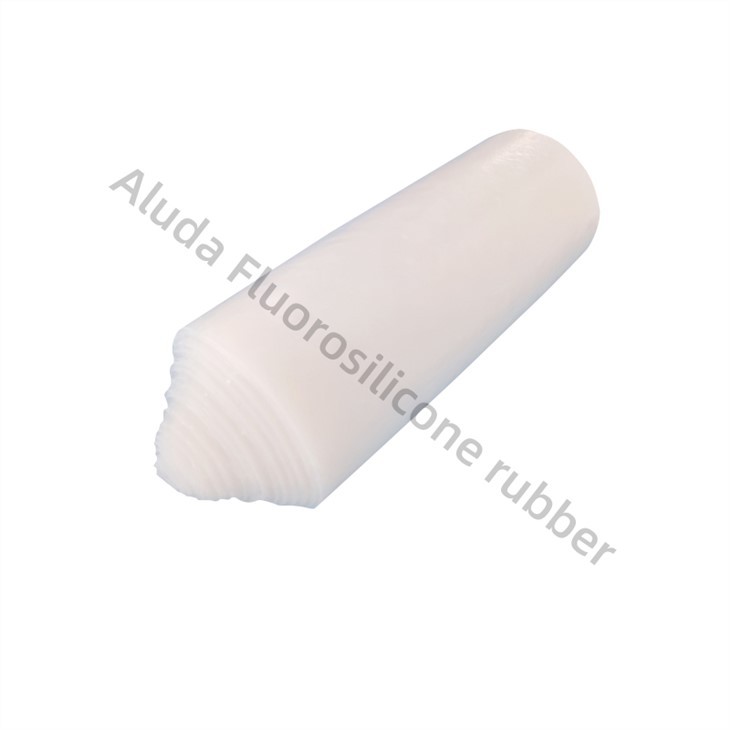
We offer a wide range of fluoropolymer extrusion products, including High Resilience Low Pressure Variable Fluorosilicone Rubber, Low Pressure Variable Fluorosilicone Rubber, and Fluorosilicone Rubber for Hose. These products are manufactured using the strict quality control measures described above, ensuring that they meet the high - performance requirements of our customers.
Conclusion
Controlling the quality in fluoropolymer extrusion is a multi - faceted process that involves raw material selection, equipment maintenance, process parameter optimization, quality inspection, post - extrusion treatment, and employee training. By implementing these strategies, we can consistently produce high - quality fluoropolymer extrusion products.
If you are in need of high - quality fluoropolymer extrusion products, we invite you to contact us for procurement and further discussions. Our team of experts is ready to assist you in finding the best solutions for your specific applications.
References
- "Fluoropolymers: Synthesis, Properties, and Applications" by X. X. Zhu and Y. Y. Wang
- "Extrusion: The Definitive Processing Guide and Handbook" by Chris Rauwendaal
- Technical papers from leading fluoropolymer manufacturers and research institutions.