

What is the impact strength of Fluorosilicone Rubber?
Hey there! As a supplier of Fluorosilicone Rubber, I often get asked about its impact strength. So, let's dive right in and explore what impact strength means for Fluorosilicone Rubber.
First off, what's impact strength anyway? Well, it's basically a measure of how well a material can withstand sudden, high - force impacts without breaking or cracking. Think of it like when you drop something. A material with high impact strength will just take the hit and keep on going, while a low - impact - strength material might shatter or deform.

Fluorosilicone Rubber is a pretty amazing material. It's got a unique combination of properties that make it great for all sorts of applications. When it comes to impact strength, Fluorosilicone Rubber holds up pretty well.
One of the reasons for its decent impact strength is its molecular structure. The fluorine atoms in Fluorosilicone Rubber give it some extra toughness. These atoms form strong bonds with the silicone backbone, creating a sort of flexible yet sturdy network. This network can absorb and distribute the energy from an impact, reducing the chances of the rubber breaking.
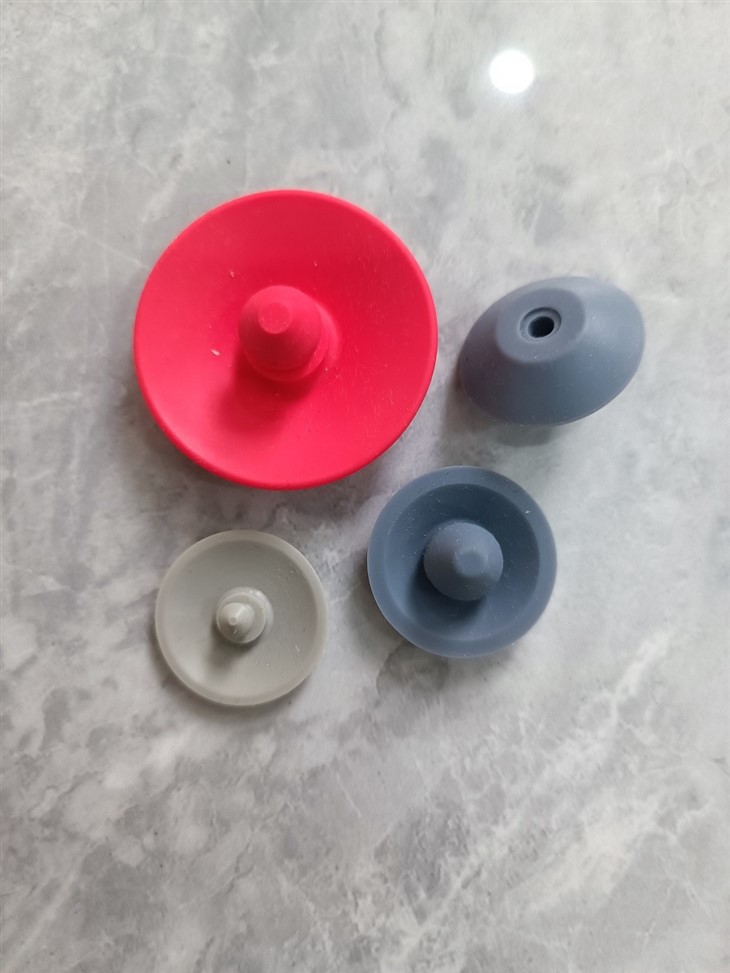
Let's talk about some real - world applications. Take the Fluorosilicone Rubber Umbrella Valve. These valves are used in all kinds of fluid - control systems. They need to be able to handle pressure changes and potential impacts from the flow of fluids. The good impact strength of Fluorosilicone Rubber ensures that these valves can keep working properly even when they face sudden jolts or shocks.
Another example is the Fluorosilicon Rubber Sealing Ring. Sealing rings are used to prevent leaks in various machinery and equipment. In industrial settings, they can be exposed to vibrations, impacts from moving parts, or even accidental bumps. Thanks to the impact strength of Fluorosilicone Rubber, these sealing rings can maintain their integrity and keep doing their job of sealing things up tight.
The Fluorosilicon Rubber Connector is also an important application. Connectors are used to join different parts of electrical or fluid systems. They need to be reliable and able to withstand physical stress. The impact strength of Fluorosilicone Rubber makes these connectors less likely to break or get damaged during installation or normal use.
Now, it's important to note that the impact strength of Fluorosilicone Rubber can be affected by a few factors. Temperature is one of them. At very low temperatures, the rubber can become more brittle, which reduces its impact strength. On the other hand, at high temperatures, the rubber might soften a bit, which can also change how it responds to impacts.
The formulation of the Fluorosilicone Rubber also matters. Different additives and fillers can be used to modify its properties. For example, adding certain reinforcing agents can increase the impact strength. But too many additives might also change other properties, like the rubber's flexibility or chemical resistance.
Testing the impact strength of Fluorosilicone Rubber is usually done using standardized methods. One common test is the Izod or Charpy impact test. In these tests, a sample of the rubber is struck with a pendulum, and the amount of energy required to break the sample is measured. This gives us a numerical value for the impact strength.
When you're considering using Fluorosilicone Rubber for your project, it's a good idea to think about the specific impact requirements. If your application involves high - energy impacts, you might want to look for a formulation with enhanced impact strength. You can also work with a supplier (like me!) to figure out the best type of Fluorosilicone Rubber for your needs.
So, why choose Fluorosilicone Rubber when it comes to impact - prone applications? Well, besides its impact strength, it also has other great properties. It's resistant to a wide range of chemicals, including oils, fuels, and solvents. It can also withstand extreme temperatures, from very cold to quite hot. This makes it a versatile choice for many industries, such as automotive, aerospace, and electronics.
If you're in the market for Fluorosilicone Rubber products, whether it's umbrella valves, sealing rings, connectors, or something else, I'm here to help. I've got a wide range of high - quality Fluorosilicone Rubber products that are designed to meet different impact requirements. I can work with you to understand your specific needs and recommend the best solutions.
Don't hesitate to reach out if you have any questions or if you're ready to start a procurement discussion. I'm always happy to talk about Fluorosilicone Rubber and how it can benefit your projects.
References
- "Handbook of Elastomers" by Bhupendra K. Patel
- "Rubber Technology: Compounding, Testing, and Applications" by James E. Mark