

What are the effects of molecular weight on fluoropolymer extrusion?
Hey there! As a supplier in the fluoropolymer extrusion game, I've seen firsthand how molecular weight can really shake things up in the process. Let's dive into what those effects are and why they matter.
First off, let's quickly cover what molecular weight means in the context of fluoropolymers. Molecular weight is basically the sum of the atomic weights of all the atoms in a molecule. In fluoropolymers, it can vary quite a bit, and this variation has a huge impact on how these materials behave during extrusion.
Flow Properties
One of the most obvious effects of molecular weight on fluoropolymer extrusion is on the flow properties. When the molecular weight is low, the fluoropolymer molecules are smaller and can move around more easily. This means that the polymer has a lower viscosity, kind of like how water flows more easily than honey.
In extrusion, low - viscosity polymers are a breeze to work with. They can flow through the extruder die more quickly, which means faster production times. You can crank up the speed of the extruder without having to worry too much about the polymer clogging up the system. This is great for mass - producing simple shapes like tubes or rods. For example, if you're making small - diameter fluoropolymer tubes for medical applications, a low - molecular - weight fluoropolymer can get the job done in no time.
On the flip side, high - molecular - weight fluoropolymers have much higher viscosities. The long, large molecules get all tangled up with each other, making it harder for the polymer to flow. Extruding high - molecular - weight fluoropolymers requires more force and energy. You'll need a more powerful extruder to push the polymer through the die. But there's an upside to this. High - viscosity polymers can hold their shape better during extrusion. They're less likely to deform or sag, which is crucial when you're making complex shapes or parts that need to have precise dimensions.
Mechanical Properties
Molecular weight also plays a big role in the mechanical properties of the extruded fluoropolymer products. High - molecular - weight fluoropolymers generally have better mechanical strength. The long chains of molecules can form stronger intermolecular bonds, which means the final product is tougher, more resistant to wear and tear, and has better tensile strength.
Imagine you're making a fluoropolymer gasket for a high - pressure industrial application. You want that gasket to be able to withstand a lot of stress without breaking or deforming. A high - molecular - weight fluoropolymer would be the way to go. It can handle the pressure and keep its shape over time, ensuring a reliable seal.
Low - molecular - weight fluoropolymers, on the other hand, are a bit more flexible. They're not as strong as their high - molecular - weight counterparts, but they can bend and stretch more easily. This makes them suitable for applications where flexibility is key, like making flexible fluoropolymer cables. The cables need to be able to bend around corners and move without breaking, so a low - molecular - weight fluoropolymer provides the right balance of flexibility and durability.
Surface Finish
The surface finish of the extruded fluoropolymer is another area affected by molecular weight. Low - molecular - weight fluoropolymers tend to produce a smoother surface finish. Since they flow more easily, they can fill in the details of the extruder die more precisely, resulting in a more uniform and polished surface. This is important for applications where aesthetics or a smooth surface is required, like in the production of optical components or some consumer products.
High - molecular - weight fluoropolymers may have a slightly rougher surface finish. The higher viscosity can cause the polymer to flow less smoothly, leaving behind some minor irregularities on the surface. However, in many industrial applications, a slightly rougher surface isn't a big deal. In fact, it can even be beneficial in some cases, like when you need the surface to provide better grip or adhesion.
Processing Temperature
Molecular weight also influences the processing temperature during extrusion. Low - molecular - weight fluoropolymers have a lower melting point and can be processed at lower temperatures. This is an advantage in terms of energy efficiency. You don't have to heat the extruder as much, which saves on energy costs and can also reduce the risk of thermal degradation of the polymer.
High - molecular - weight fluoropolymers, however, require higher processing temperatures. The strong intermolecular forces between the long chains need more energy to break apart and allow the polymer to flow. But be careful! If you heat the polymer too much, it can start to break down, which can lead to a loss of mechanical properties and a decrease in the quality of the final product.
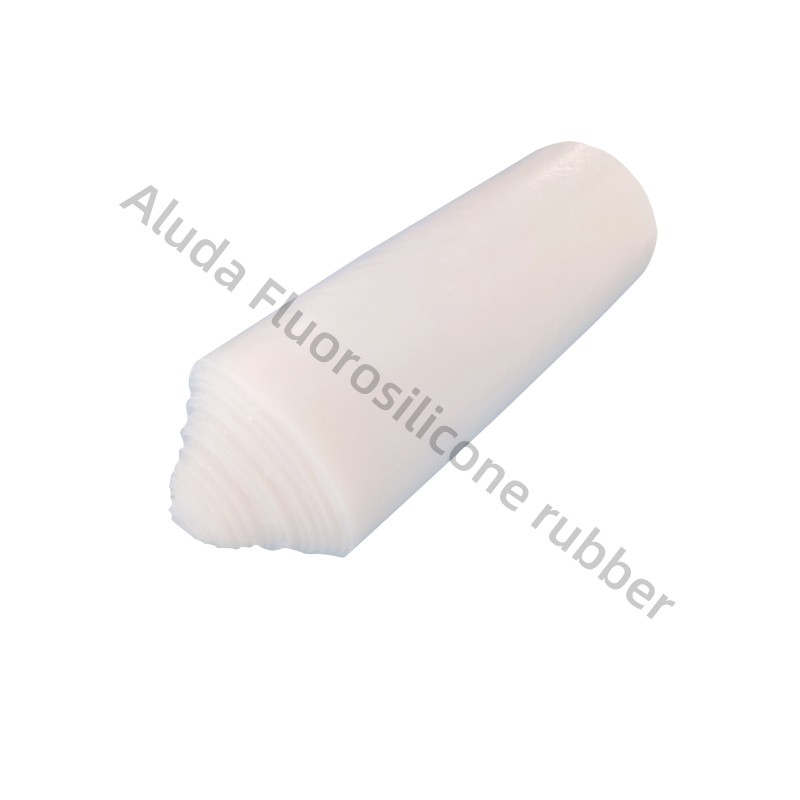
Now, let's talk about some of our specific products. We offer Fluorosilicone Rubber for Strap, which has a carefully controlled molecular weight to ensure the right balance of flexibility and strength for strap applications. Our High Resilience Low Pressure Variable Fluorosilicone Rubber is designed with a specific molecular weight to provide excellent resilience under low - pressure conditions. And if you're looking for a material with good adhesion properties, our Adhesive Fluorosilicone Rubber has a molecular structure that promotes strong bonding.
In conclusion, the molecular weight of fluoropolymers has a wide range of effects on the extrusion process and the final properties of the products. Whether you need fast production, high mechanical strength, a smooth surface finish, or energy - efficient processing, understanding how molecular weight impacts these factors is crucial.
If you're in the market for fluoropolymer extrusion products and want to discuss which molecular weight and product is right for your specific application, don't hesitate to reach out. We're here to help you find the perfect solution for your needs.

References
- "Fluoropolymers: Synthesis, Properties, and Applications" by some well - known polymer scientist.
- "Extrusion Processing Handbook" that covers the basics of polymer extrusion and the role of molecular weight.