

Is Fluorosilicone Rubber resistant to microbial growth?
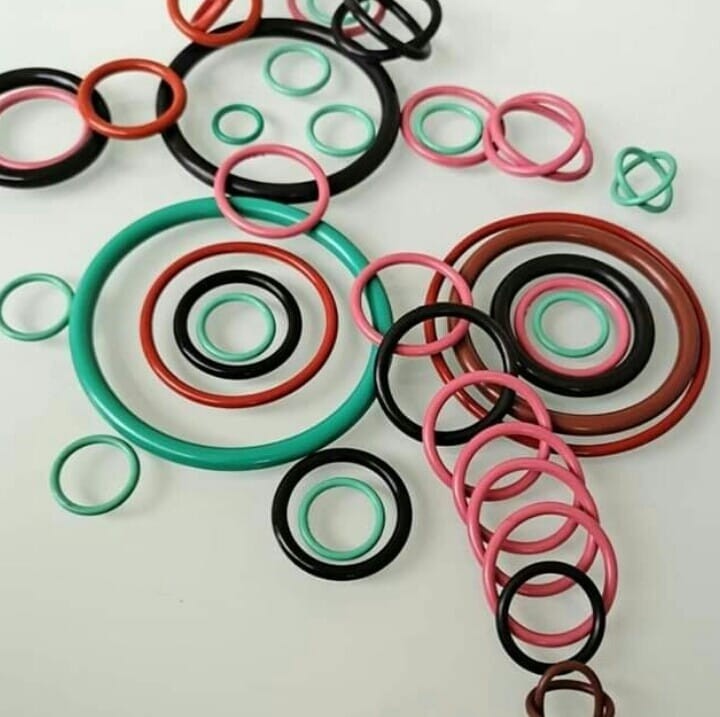
Fluorosilicone rubber (FSR) is a high - performance elastomer known for its excellent resistance to extreme temperatures, chemicals, and fuels. As a leading supplier of fluorosilicone rubber products, including Fluorosilicon Rubber Connector, Fluorosilicon Rubber Sealing Ring, and Fluorosilicone Rubber Diaphragm, we often receive inquiries about its resistance to microbial growth. This is a crucial consideration, especially in industries such as food and beverage, pharmaceuticals, and medical devices, where maintaining a sterile environment is of utmost importance.
Understanding Microbial Growth
Microbial growth refers to the increase in the number of microorganisms, such as bacteria, fungi, and algae, on a surface or within a medium. These microorganisms can thrive in various environments, provided they have access to nutrients, moisture, and suitable temperatures. When it comes to materials used in industrial applications, microbial growth can lead to several problems, including contamination of products, degradation of the material, and the spread of diseases.
Factors Affecting Microbial Growth on Materials
Several factors influence whether microorganisms can grow on a particular material. These include:
- Surface Properties: The smoothness, porosity, and charge of a material's surface can affect microbial adhesion. Rough or porous surfaces provide more sites for microorganisms to attach and grow, while smooth surfaces are generally less conducive to microbial colonization.
- Chemical Composition: The chemical nature of a material can either support or inhibit microbial growth. Some materials may contain nutrients that microorganisms can utilize, while others may have antimicrobial properties that prevent their growth.
- Environmental Conditions: Temperature, humidity, and the presence of oxygen are critical environmental factors. Microorganisms have specific temperature and humidity ranges in which they can grow optimally. For example, most bacteria grow best at temperatures between 20 - 45°C and in moist environments.
Fluorosilicone Rubber and Microbial Growth
Fluorosilicone rubber has several properties that make it potentially resistant to microbial growth:
- Low Surface Energy: FSR has a low surface energy, which means that it is difficult for microorganisms to adhere to its surface. Microorganisms typically require a certain level of surface energy to attach and form a biofilm. The low surface energy of FSR reduces the initial attachment of microorganisms, thereby limiting the potential for growth.
- Chemical Inertness: FSR is chemically inert and does not provide nutrients for microorganisms. Unlike some organic materials that can be broken down by microorganisms as a source of energy, FSR is not a suitable substrate for microbial metabolism. This lack of nutrients makes it an unfavorable environment for microbial growth.
- Hydrophobicity: Fluorosilicone rubber is hydrophobic, meaning it repels water. Since moisture is essential for microbial growth, the hydrophobic nature of FSR reduces the availability of water on its surface, further inhibiting microbial colonization.
Scientific Studies on FSR and Microbial Resistance
Several scientific studies have investigated the microbial resistance of fluorosilicone rubber. These studies have generally shown that FSR has good resistance to microbial growth compared to other elastomers.
In a study published in the Journal of Applied Microbiology, researchers compared the microbial growth on FSR and other rubber materials in a simulated food - processing environment. They found that after a period of incubation, the number of bacteria and fungi on the FSR samples was significantly lower than on the other rubber materials. This suggests that FSR can effectively resist microbial colonization under certain conditions.
Another study conducted in a medical setting examined the use of FSR in medical devices. The researchers monitored the growth of bacteria on FSR diaphragms over a period of time and found that there was minimal microbial growth, indicating that FSR could be a suitable material for applications where sterility is required.
Limitations and Considerations
While fluorosilicone rubber has good resistance to microbial growth, it is not completely immune. In some cases, if the environmental conditions are extremely favorable for microbial growth (e.g., high humidity and temperature, presence of a large amount of nutrients), there may still be some degree of microbial colonization.
Additionally, if the FSR surface is damaged or contaminated with organic matter, it may become more susceptible to microbial growth. For example, scratches or cuts on the surface can provide hiding places for microorganisms, and the presence of organic residues can serve as a nutrient source.
Applications Where Microbial Resistance is Crucial
- Food and Beverage Industry: In the food and beverage industry, materials used in processing equipment, storage containers, and packaging must be resistant to microbial growth to prevent product contamination. Fluorosilicone rubber is commonly used in seals, gaskets, and connectors in this industry due to its excellent chemical resistance and potential for microbial resistance.
- Pharmaceutical Industry: In pharmaceutical manufacturing, maintaining a sterile environment is critical to ensure the safety and efficacy of drugs. FSR is used in various pharmaceutical applications, such as in diaphragm pumps and sealing rings, where its resistance to microbial growth helps prevent contamination of the products.
- Medical Devices: Medical devices, such as catheters, implants, and respirators, come into contact with the human body and must be free from microbial contamination. Fluorosilicone rubber's biocompatibility and microbial resistance make it a suitable material for these applications.
Strategies to Enhance Microbial Resistance
To further enhance the microbial resistance of fluorosilicone rubber, several strategies can be employed:
- Surface Treatments: Surface treatments can be applied to FSR to reduce its surface energy even further or to introduce antimicrobial agents. For example, a thin coating of a silver - based antimicrobial agent can be applied to the surface of FSR to prevent microbial growth.
- Proper Cleaning and Maintenance: Regular cleaning and disinfection of FSR products can help remove any potential contaminants and prevent the build - up of microorganisms. Using appropriate cleaning agents and following recommended cleaning procedures is essential.
- Design Optimization: Designing FSR products with smooth surfaces and avoiding areas where moisture can accumulate can also reduce the risk of microbial growth. For example, in the design of seals and gaskets, ensuring a proper fit and minimizing crevices can prevent the trapping of moisture and microorganisms.
Conclusion
In conclusion, fluorosilicone rubber has several properties that make it resistant to microbial growth, including low surface energy, chemical inertness, and hydrophobicity. Scientific studies have supported the claim that FSR has good microbial resistance compared to other elastomers. However, it is important to note that no material is completely immune to microbial growth, and proper precautions must be taken to maintain its resistance.
As a supplier of high - quality fluorosilicone rubber products, we are committed to providing materials that meet the strictest standards of quality and performance. Our Fluorosilicon Rubber Connector, Fluorosilicon Rubber Sealing Ring, and Fluorosilicone Rubber Diaphragm are designed to offer excellent resistance to microbial growth, making them suitable for a wide range of applications where sterility is crucial.

If you are interested in purchasing fluorosilicone rubber products or have any questions about their microbial resistance, please feel free to contact us. We are happy to assist you in finding the right solution for your specific needs.
References
- Journal of Applied Microbiology, [Title of the specific study], [Year of publication]
- [Name of the medical - setting study], [Journal name], [Year of publication]