

How to test the tensile strength of Fluorosilicone Elastomer?
How to Test the Tensile Strength of Fluorosilicone Elastomer?
As a reliable supplier of Fluorosilicone Elastomer, I understand the critical importance of accurately assessing the tensile strength of this remarkable material. Tensile strength is a fundamental property that measures the maximum stress a material can withstand while being stretched or pulled before breaking. In the case of fluorosilicone elastomer, which is widely used in various industries for its excellent chemical resistance, high-temperature stability, and low compression set, testing its tensile strength is essential to ensure its performance and reliability in specific applications.
Understanding Fluorosilicone Elastomer
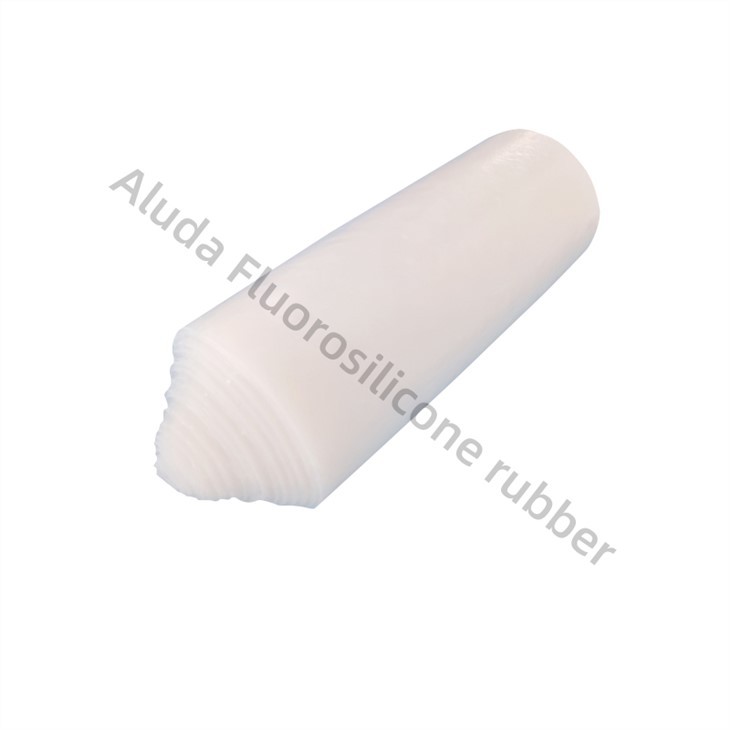
Fluorosilicone elastomer is a synthetic rubber material that combines the properties of silicone rubber and fluorocarbon rubber. It exhibits excellent resistance to fuels, oils, solvents, and chemicals, as well as high and low-temperature stability. These properties make it an ideal choice for applications in the automotive, aerospace, and chemical processing industries, among others.
For instance, High Resilience Low Pressure Variable Fluorosilicone Rubber is a specialized type of fluorosilicone elastomer that is designed to provide high resilience and low pressure variation, making it suitable for use in seals and gaskets. Similarly, Fluorosilicone Rubber for Umbrella Valves is tailored to meet the specific requirements of umbrella valves, which are commonly used in medical devices and fluid control systems.
Importance of Tensile Strength Testing
Tensile strength testing is crucial for several reasons. Firstly, it helps to ensure that the fluorosilicone elastomer meets the required specifications and standards for a particular application. For example, in automotive applications, the tensile strength of seals and gaskets must be sufficient to withstand the pressures and forces encountered during operation. Secondly, tensile strength testing can provide valuable information about the quality and consistency of the material. By testing samples from different batches or production runs, manufacturers can identify any variations in tensile strength and take appropriate measures to maintain quality control.
Moreover, understanding the tensile strength of fluorosilicone elastomer can help engineers and designers select the most suitable material for a specific application. For instance, if a high-tensile strength material is required for a particular application, engineers can choose a fluorosilicone elastomer with a higher tensile strength rating.
Preparing the Samples
Before conducting the tensile strength test, it is essential to prepare the samples correctly. The samples should be cut from the fluorosilicone elastomer sheet or molding using a sharp blade or die cutter. The size and shape of the samples should comply with the relevant testing standards, such as ASTM D412 or ISO 37.
Typically, dumbbell-shaped samples are used for tensile strength testing. These samples have a narrow central section and wider ends, which helps to ensure that the stress is concentrated in the central section during the test. The samples should be clean and free from any defects, such as cracks or voids, which could affect the test results.

Conducting the Tensile Strength Test
The tensile strength test is typically conducted using a universal testing machine. The sample is clamped between two grips, and a gradually increasing force is applied to the sample until it breaks. The testing machine measures the force applied to the sample and the corresponding elongation or deformation of the sample.
The test should be conducted at a constant rate of extension, typically between 50 and 500 mm/min, depending on the type of material and the testing standard. The testing machine should be calibrated regularly to ensure accurate and reliable results.
During the test, the force and elongation data are recorded continuously. The maximum force applied to the sample before it breaks is the tensile strength, which is usually expressed in units of force per unit area, such as megapascals (MPa) or pounds per square inch (psi).
Interpreting the Results
Once the test is completed, the results need to be interpreted to determine the suitability of the fluorosilicone elastomer for the intended application. The tensile strength value obtained from the test should be compared with the required specifications and standards for the application.
If the tensile strength of the sample meets or exceeds the required value, the material is considered suitable for the application. However, if the tensile strength is lower than the required value, further investigation may be required to identify the cause of the low strength. This could be due to factors such as improper curing, contamination, or a problem with the raw materials.
In addition to the tensile strength, other properties such as elongation at break, modulus of elasticity, and tear strength can also be determined from the test data. These properties provide additional information about the mechanical behavior of the fluorosilicone elastomer and can be used to evaluate its performance in different applications.
Factors Affecting Tensile Strength
Several factors can affect the tensile strength of fluorosilicone elastomer. These include:
- Curing Conditions: The curing process plays a crucial role in determining the tensile strength of fluorosilicone elastomer. Improper curing, such as undercuring or overcuring, can result in a decrease in tensile strength.
- Temperature and Humidity: The temperature and humidity during the testing process can also affect the tensile strength of the material. High temperatures can cause the material to soften and reduce its tensile strength, while high humidity can lead to moisture absorption and affect the curing process.
- Additives and Fillers: The addition of additives and fillers to the fluorosilicone elastomer can also affect its tensile strength. Some additives and fillers can improve the mechanical properties of the material, while others can have a negative impact.
- Ageing and Environmental Exposure: Over time, the tensile strength of fluorosilicone elastomer can decrease due to ageing and environmental exposure. Factors such as heat, light, oxygen, and chemicals can cause the material to degrade and lose its mechanical properties.
Conclusion
Testing the tensile strength of fluorosilicone elastomer is a critical step in ensuring its performance and reliability in various applications. By following the appropriate testing procedures and standards, manufacturers can obtain accurate and reliable results that can help them make informed decisions about the suitability of the material for a particular application.
As a supplier of fluorosilicone elastomer, we are committed to providing high-quality materials that meet the strictest standards and specifications. Our products are thoroughly tested to ensure their tensile strength and other mechanical properties are consistent and reliable.
If you are interested in learning more about our fluorosilicone elastomer products or have specific requirements for your application, we encourage you to contact us for further discussion and potential procurement. We look forward to working with you to meet your needs.
References
- ASTM D412 - Standard Test Methods for Vulcanized Rubber and Thermoplastic Elastomers - Tension.
- ISO 37 - Rubber, vulcanized or thermoplastic - Determination of tensile stress - strain properties.