

How to improve the adhesion of Fluorosilicone Elastomer to other materials?
Hey there! As a supplier of Fluorosilicone Elastomer, I often get asked about how to improve its adhesion to other materials. It's a crucial aspect, especially when you're looking to use Fluorosilicone Elastomer in various applications. In this blog, I'm gonna share some tips and tricks that I've picked up over the years to help you get better adhesion.
Understanding Fluorosilicone Elastomer
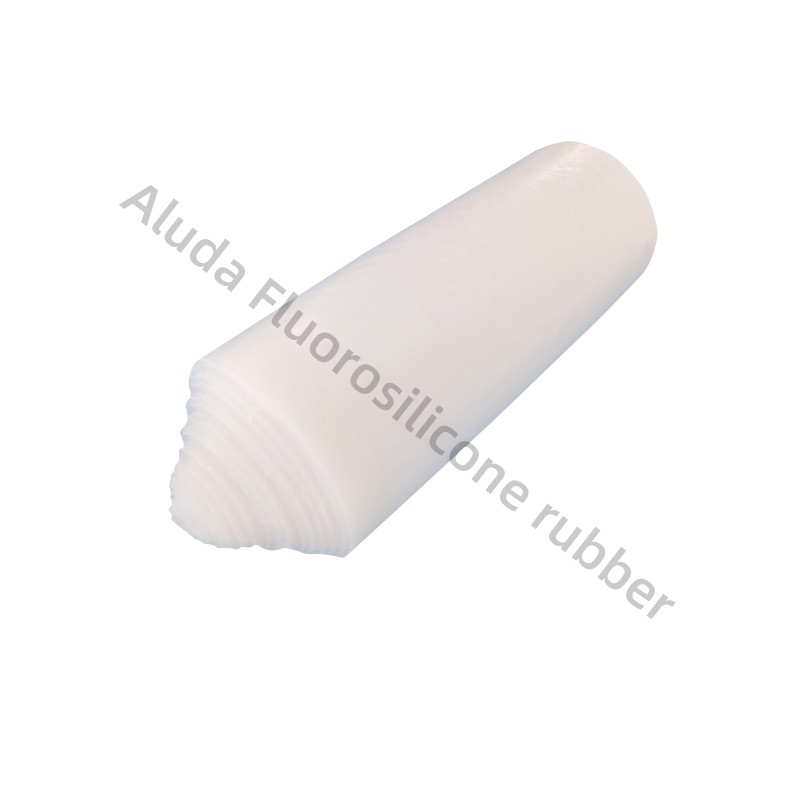
First off, let's talk a bit about Fluorosilicone Elastomer. It's an amazing material with some great properties. It has excellent resistance to high and low temperatures, chemicals, and fuels. That's why it's used in a wide range of industries, from automotive to aerospace. We offer different types of Fluorosilicone Elastomer, like Fluorosilicone Rubber for Umbrella Valves, High Resilience Fluorosilicone Rubber, and Extruded Fluorosilicone Rubber. Each type has its own unique features and is suitable for specific applications.
Surface Preparation
One of the most important steps in improving adhesion is surface preparation. You gotta make sure the surfaces of both the Fluorosilicone Elastomer and the other material are clean and free of any contaminants. Dirt, oil, grease, and oxidation can all reduce adhesion.
- Cleaning: Use a suitable solvent to clean the surfaces. Acetone is a common choice, but make sure it's compatible with both materials. You can soak the parts in the solvent or use a lint - free cloth to wipe them down. After cleaning, let the parts dry completely.
- Abrasion: Lightly abrading the surfaces can also help. This creates a rougher surface, which gives the Fluorosilicone Elastomer more area to bond to. You can use sandpaper with a fine grit to gently sand the surfaces. But be careful not to damage the parts.
Selecting the Right Adhesive
Choosing the right adhesive is key. There are different types of adhesives available, and you need to pick one that's compatible with Fluorosilicone Elastomer and the other material.
- Silicone - based adhesives: These are often a good choice because they have good compatibility with Fluorosilicone Elastomer. They can provide a strong bond and are resistant to temperature and chemicals.
- Epoxy adhesives: Epoxy adhesives can also work well, especially if you need a very strong and rigid bond. However, make sure the epoxy is formulated to bond with Fluorosilicone Elastomer.
Before using any adhesive, it's a good idea to do a small test on a sample to see how well it bonds.
Curing Conditions
The curing conditions of the adhesive and the Fluorosilicone Elastomer are crucial for good adhesion.
- Temperature: Most adhesives have a recommended curing temperature. Make sure to follow these instructions. Higher temperatures can speed up the curing process, but if it's too high, it can damage the materials.
- Time: Give the adhesive enough time to cure. Rushing the process can result in a weak bond. The curing time can vary depending on the type of adhesive and the temperature.
Using Primers
Primers can significantly improve adhesion. A primer is a thin layer of material that's applied to the surfaces before the adhesive.
- How it works: Primers can improve the wetting of the adhesive on the surfaces, and they can also create a chemical bond between the Fluorosilicone Elastomer and the other material.
- Choosing a primer: There are primers specifically designed for Fluorosilicone Elastomer. Make sure to choose one that's compatible with both the Fluorosilicone Elastomer and the other material.
Compounding and Formulation
If you're working with the Fluorosilicone Elastomer compound, you can also adjust the formulation to improve adhesion.
- Adding adhesion promoters: Some additives can be added to the Fluorosilicone Elastomer compound to enhance its adhesion properties. These additives can react with the adhesive or the other material to create a stronger bond.
- Optimizing the cross - linking: The cross - linking density of the Fluorosilicone Elastomer can affect adhesion. By adjusting the cross - linking agents and the curing process, you can optimize the cross - linking to improve adhesion.
Testing and Quality Control
After bonding the Fluorosilicone Elastomer to the other material, it's important to test the bond strength.

- Pull - off tests: You can use a pull - off tester to measure the force required to separate the two materials. This gives you an idea of how strong the bond is.
- Visual inspection: Look for any signs of delamination or weak spots. If you notice any issues, you can try to identify the cause and make adjustments for future bonding.
Conclusion
Improving the adhesion of Fluorosilicone Elastomer to other materials is a multi - step process. It involves proper surface preparation, choosing the right adhesive, following the correct curing conditions, using primers, and potentially adjusting the compound formulation. By paying attention to these details, you can achieve a strong and reliable bond.
If you're interested in our Fluorosilicone Elastomer products or have any questions about improving adhesion, feel free to reach out. We're here to help you find the best solutions for your applications.
References
- "Handbook of Adhesives" by I. Skeist
- "Silicone Elastomers: Science and Technology" by A. L. Andrianov and V. P. Krasnov