

How does the processing additive content affect the properties of Fluorosilicone Elastomer?
Hey there! As a supplier of Fluorosilicone Elastomer, I've seen firsthand how the processing additive content can have a huge impact on the properties of this amazing material. So, let's dive right in and explore this topic in more detail.
First off, what exactly is Fluorosilicone Elastomer? Well, it's a type of synthetic rubber that combines the best properties of both fluorocarbons and silicones. This gives it some pretty unique characteristics, like excellent resistance to high temperatures, chemicals, and fuels. It's used in a wide range of industries, from aerospace and automotive to electronics and medical devices. You can learn more about it here.
Now, let's talk about processing additives. These are substances that are added to the Fluorosilicone Elastomer during the manufacturing process to improve its processing properties or enhance certain performance characteristics. There are many different types of additives, including fillers, plasticizers, antioxidants, and curing agents.
One of the most important ways that processing additive content affects the properties of Fluorosilicone Elastomer is through its impact on mechanical properties. For example, fillers are often added to increase the hardness, strength, and abrasion resistance of the material. Common fillers include silica, carbon black, and metal oxides. When you add more filler to the elastomer, the hardness typically goes up. This can be great if you need a material that can withstand a lot of wear and tear, like in a seal or a gasket.
However, adding too much filler can also have some negative effects. It can make the material more brittle, which means it's more likely to crack or break under stress. It can also reduce the elasticity of the elastomer, making it less flexible. So, finding the right balance of filler content is crucial.
Plasticizers are another type of additive that can affect the mechanical properties of Fluorosilicone Elastomer. These substances are added to make the material more flexible and easier to process. They work by reducing the intermolecular forces between the polymer chains in the elastomer. When you add a plasticizer, the material becomes softer and more pliable. This can be useful in applications where you need a material that can conform to different shapes, like in a cable insulation or a flexible tubing.
But just like with fillers, too much plasticizer can cause problems. It can reduce the chemical resistance of the elastomer and make it more prone to swelling in the presence of certain chemicals. It can also lead to a decrease in the material's heat resistance.
Antioxidants are additives that are used to prevent the oxidation of the Fluorosilicone Elastomer. Oxidation can cause the material to degrade over time, leading to a loss of its mechanical and chemical properties. By adding an antioxidant, you can extend the lifespan of the elastomer and keep it performing well for longer. The amount of antioxidant you add can affect how well the material resists oxidation. A higher antioxidant content generally means better oxidation resistance, but there's a limit to how much you can add before it starts to affect other properties of the material.
Curing agents are essential for cross - linking the polymer chains in the Fluorosilicone Elastomer. This cross - linking is what gives the material its final shape and properties. The type and amount of curing agent used can have a significant impact on the curing process and the resulting properties of the elastomer. For example, if you use too little curing agent, the cross - linking may not be complete, and the material will be under - cured. This can result in a material that is soft, sticky, and has poor mechanical properties. On the other hand, if you use too much curing agent, the material may become over - cured, which can make it brittle and hard.

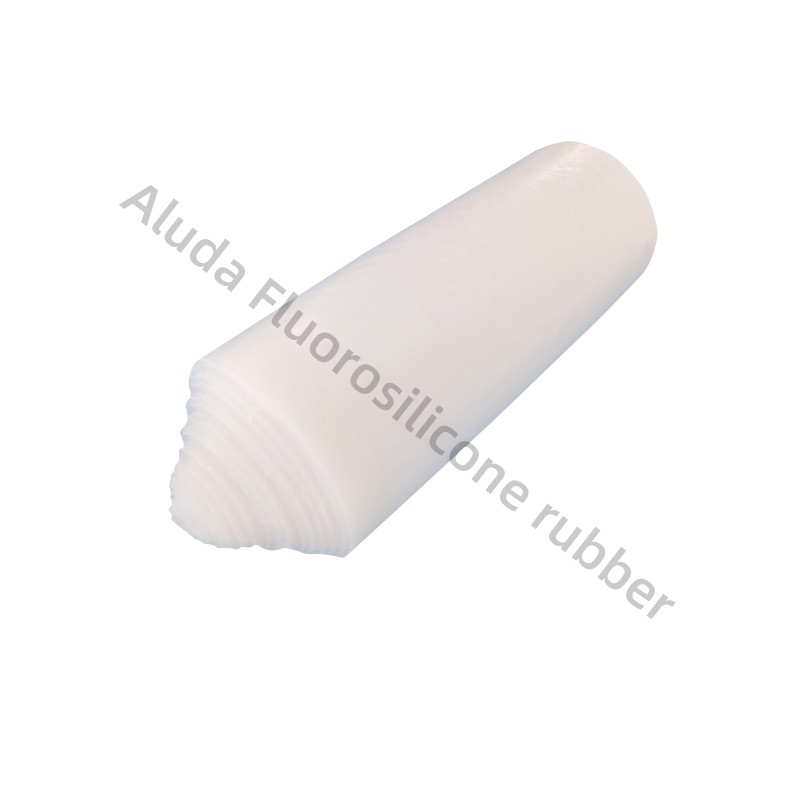
Another aspect to consider is the effect of processing additive content on the chemical resistance of Fluorosilicone Elastomer. Different additives can interact with chemicals in different ways. For example, some fillers may react with certain chemicals, reducing the overall chemical resistance of the material. Plasticizers can also affect chemical resistance, as mentioned earlier. If you're using the Fluorosilicone Elastomer in an application where it will be exposed to chemicals, you need to carefully choose the additives and their amounts to ensure that the material can withstand the chemical environment.
The thermal properties of Fluorosilicone Elastomer are also influenced by the processing additive content. Fillers can have a significant impact on the thermal conductivity of the material. For example, metal oxide fillers can increase the thermal conductivity, which can be useful in applications where you need to dissipate heat, like in an electronic device. On the other hand, some additives may reduce the heat resistance of the material. If you're using the elastomer in a high - temperature application, you need to make sure that the additives you choose don't compromise its thermal stability.
In addition to these properties, the processing additive content can also affect the electrical properties of Fluorosilicone Elastomer. For Conductive Fluorosilicone Rubber, which is used in applications like electromagnetic shielding and electrical contacts, the type and amount of conductive additives are crucial. Adding conductive fillers, such as carbon nanotubes or metal powders, can increase the electrical conductivity of the material. But again, too much of these additives can affect other properties like mechanical strength and flexibility.
When it comes to the processing of Fluorosilicone Elastomer, the additive content can also play a big role. For example, some additives can improve the flow properties of the material during extrusion. Extruded Fluorosilicone Rubber is commonly used in applications like seals and gaskets. By adding the right amount of processing aids, you can ensure that the material flows smoothly through the extrusion die, resulting in a high - quality extruded product.
So, as you can see, the processing additive content has a profound impact on the properties of Fluorosilicone Elastomer. Whether you're looking for a material with specific mechanical, chemical, thermal, or electrical properties, the right combination of additives can make all the difference.
If you're in the market for Fluorosilicone Elastomer and need help figuring out the best additive content for your application, don't hesitate to reach out. We have a team of experts who can work with you to develop a custom - formulated Fluorosilicone Elastomer that meets your exact requirements. Let's have a chat and see how we can help you get the most out of this amazing material.
References:
- "Handbook of Elastomers" by A. K. Bhowmick and H. L. Stephens
- "Rubber Technology: Compounding, Testing, and Processing" by James F. Carley