

Can extruded rubber profiles be used in water - proof applications?
As a supplier of extruded rubber profiles, I've been frequently asked whether our products can be used in waterproof applications. This question is not only relevant but also crucial for many industries, including construction, automotive, and marine. In this blog, I'll delve into the properties of extruded rubber profiles, explore their suitability for waterproofing, and discuss the specific types of rubber that are particularly effective in such applications.
Properties of Extruded Rubber Profiles
Extruded rubber profiles are manufactured through a process called extrusion, where raw rubber material is forced through a die to create a continuous shape. This process allows for the production of complex cross - sectional shapes with consistent dimensions. The resulting profiles have several properties that make them attractive for a wide range of applications, including waterproofing.
One of the key properties of extruded rubber profiles is their flexibility. Rubber is an elastic material, which means it can deform under stress and return to its original shape. This flexibility allows the profiles to conform to irregular surfaces, creating a tight seal that can prevent water penetration. For example, in a construction setting, rubber profiles can be used around windows and doors to seal gaps and prevent rainwater from entering the building.
Another important property is resistance to environmental factors. Rubber can be formulated to be resistant to UV radiation, ozone, and extreme temperatures. This resistance ensures that the profiles maintain their integrity over time, even when exposed to harsh weather conditions. In outdoor waterproofing applications, such as roofing or decking, this durability is essential to ensure long - term performance.
Suitability for Waterproof Applications
Extruded rubber profiles are highly suitable for waterproof applications due to their sealing capabilities. When properly installed, they can create a barrier that prevents water from passing through joints, seams, or gaps. In the automotive industry, rubber profiles are used to seal doors, windows, and sunroofs, keeping the interior dry and protected from the elements. In the marine industry, they are used to seal hatches, portholes, and other openings on boats and ships.
The ability of extruded rubber profiles to provide a watertight seal also depends on the quality of the rubber compound and the installation process. High - quality rubber compounds with good elasticity and low compression set are more likely to maintain a tight seal over time. Additionally, proper installation techniques, such as ensuring a clean and dry surface and using the correct adhesive or fasteners, are essential for achieving optimal waterproofing performance.
Specific Types of Rubber for Waterproofing
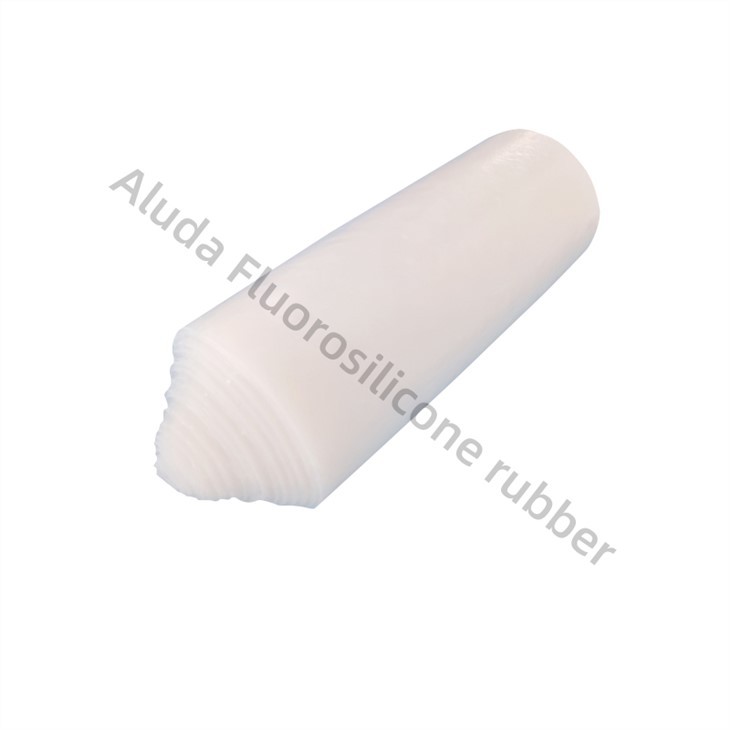
There are several types of rubber that are commonly used in waterproof applications. One of the most popular is fluorosilicone rubber. Extruded Fluorosilicone Rubber offers excellent resistance to water, chemicals, and high temperatures. It has a low surface energy, which means that water droplets tend to bead up and roll off the surface, rather than spreading out and seeping through. This property makes it ideal for applications where water repellency is required, such as in the aerospace and automotive industries.
High Tear Resistance Fluorosilicone Rubber is another type of rubber that is well - suited for waterproof applications. As the name suggests, it has a high resistance to tearing, which is important in applications where the rubber profile may be subjected to mechanical stress. For example, in a construction project, the rubber profile around a large window may be pulled or stretched during installation or when the window is opened and closed. High tear resistance ensures that the profile does not tear, maintaining its waterproofing function.
High Resilience Low Pressure Variable Fluorosilicone Rubber is also a good choice for waterproofing. It has a high resilience, which means it can quickly recover its shape after being compressed. This property is beneficial in applications where the rubber profile is subjected to repeated compression, such as in door and window seals. The low pressure variable characteristic allows the profile to provide a consistent seal even under different pressure conditions.
Case Studies
To illustrate the effectiveness of extruded rubber profiles in waterproof applications, let's look at a few case studies.
In a large commercial building project, extruded rubber profiles were used to seal the joints between pre - cast concrete panels. The building was located in a coastal area, where it was exposed to high levels of moisture and saltwater. The rubber profiles were made from a high - quality fluorosilicone rubber compound, which provided excellent resistance to water and chemicals. After several years of use, the profiles were inspected, and it was found that they had maintained a tight seal, preventing water penetration and protecting the building's interior from damage.
In the automotive industry, a car manufacturer used extruded rubber profiles to seal the sunroofs of their vehicles. The profiles were made from a high - resilience rubber compound that could withstand the repeated opening and closing of the sunroof. This ensured that the interior of the car remained dry, even during heavy rain. Customer feedback indicated that the waterproofing performance of the sunroof seals was excellent, contributing to the overall satisfaction of the vehicle owners.
Conclusion
In conclusion, extruded rubber profiles can be effectively used in waterproof applications. Their flexibility, resistance to environmental factors, and sealing capabilities make them an ideal choice for a wide range of industries. Specific types of rubber, such as fluorosilicone rubber, offer additional benefits in terms of water repellency, tear resistance, and resilience.

If you are looking for high - quality extruded rubber profiles for your waterproofing needs, I encourage you to contact us for more information and to discuss your specific requirements. Our team of experts can help you select the right rubber compound and profile design to ensure optimal performance. Whether you are working on a small residential project or a large commercial development, we have the products and expertise to meet your needs.
References
- ASTM International. (20XX). Standard Test Methods for Rubber Properties in Compression. ASTM D395.
- Rubber Manufacturers Association. (20XX). Handbook of Rubber Products.
- Smith, J. (20XX). "Advances in Rubber Technology for Waterproof Applications." Journal of Rubber Science and Technology.